






Mace, also known as nutmeg blossom, is a unique and aromatic spice obtained from the fruit of the nutmeg tree. With its fine, warm aroma, it adds that special something to your kitchen and impresses with its versatility. Discover the special qualities of mace with us and find out why it is the perfect choice for conscious food lovers.
What exactly is mace?
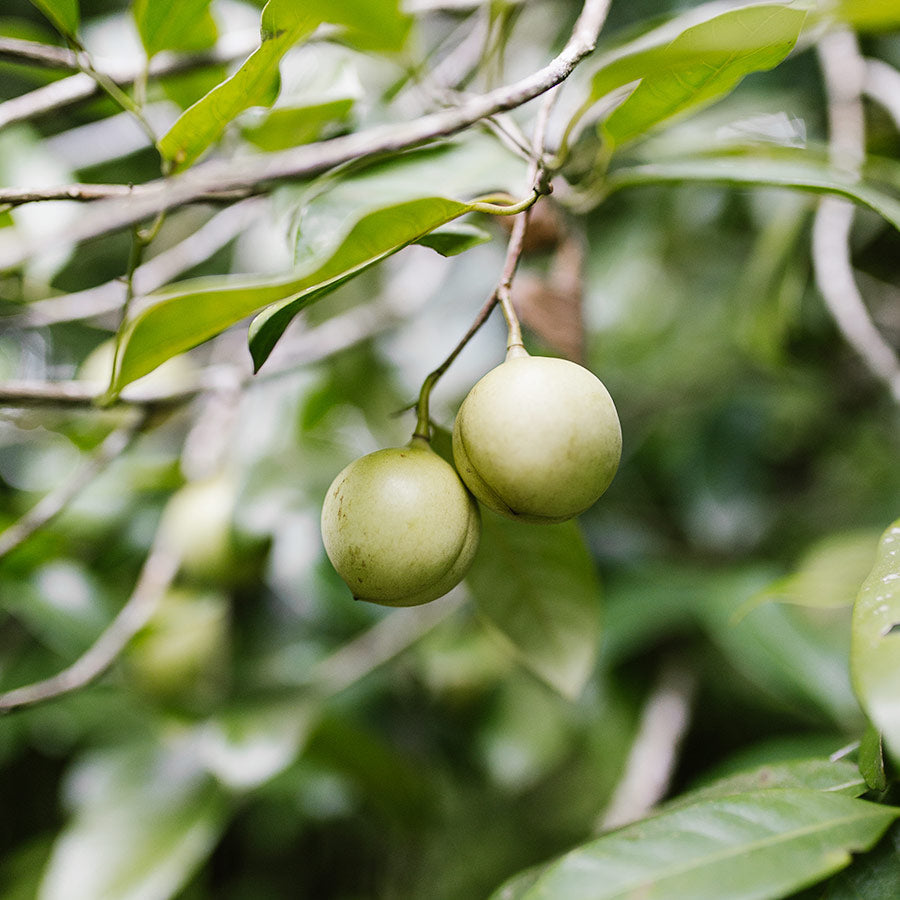
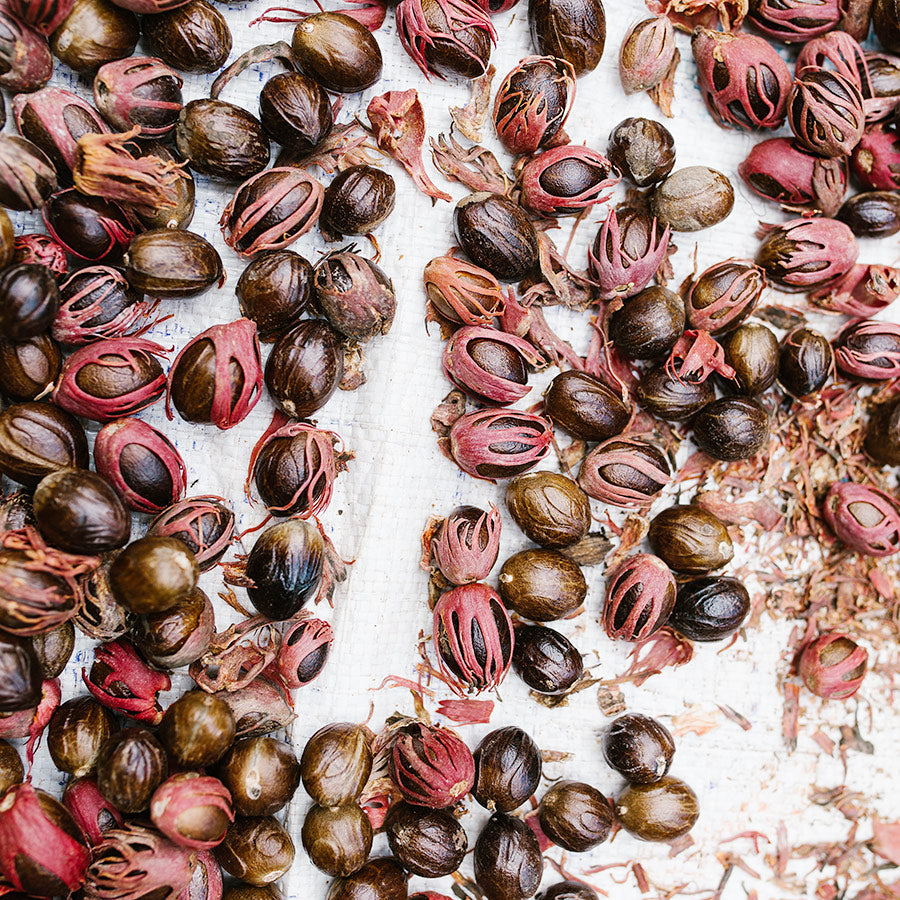
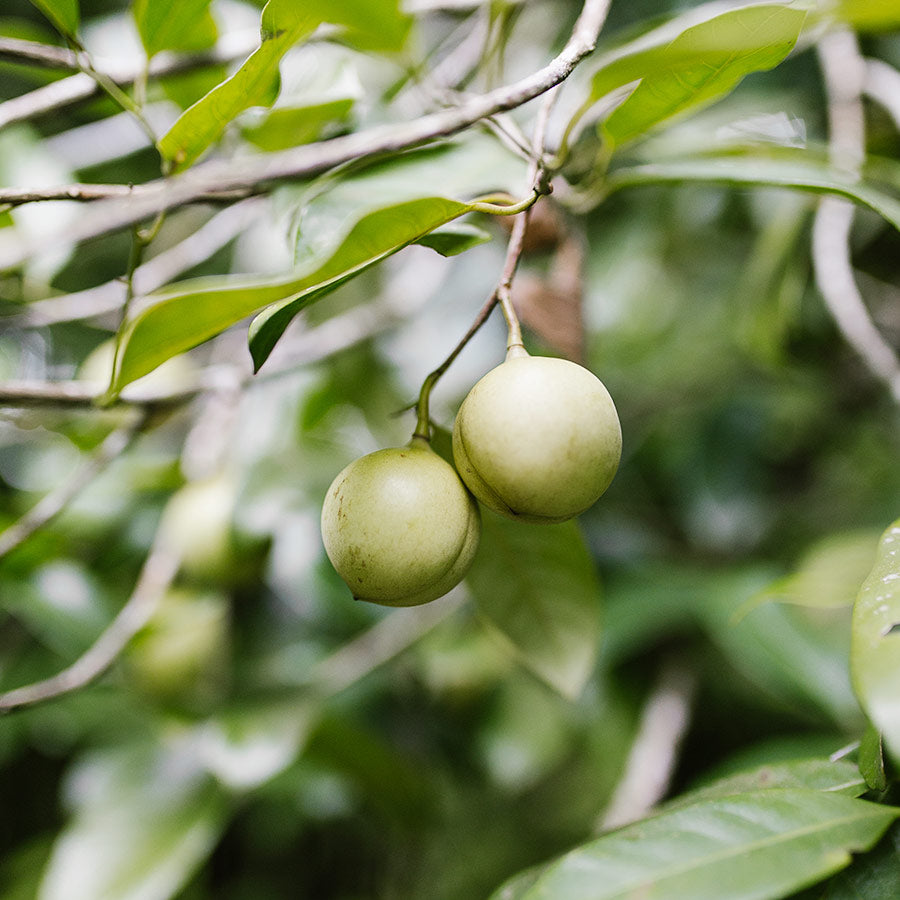
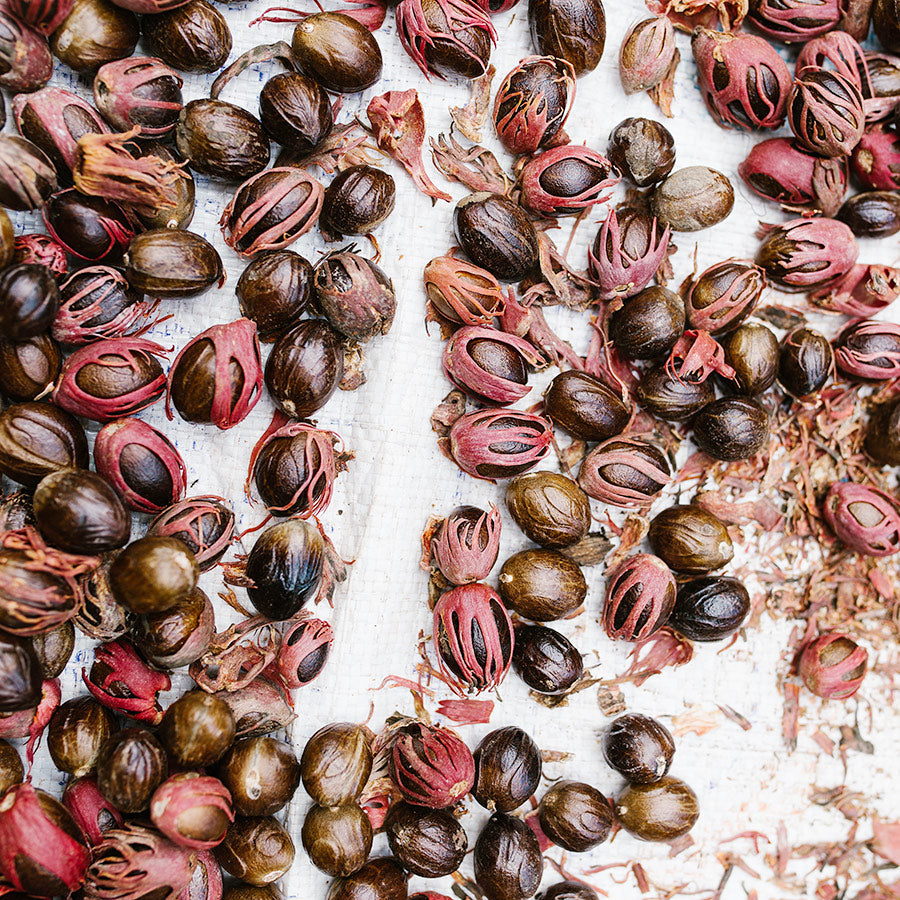
Mace is the delicate seed covering of the fruit of the nutmeg tree, an evergreen tree that thrives in the tropics. When fresh, it is a bright carmine red, but when dried in the sun or in special drying rooms it turns into orange to yellowish-brown strips three to four centimetres long and only one millimetre thick. Production is a careful, artisanal process: the covering is carefully removed, dried and broken into threads to preserve its full aroma.
Where does mace come from and how is it made?
Mace has its roots in the Moluccas in Indonesia, where the nutmeg tree is originally native. Today, however, mace is also grown in Sri Lanka, southern India, Papua New Guinea and Grenada – all regions where smallholder farmers work with dedication and passion. The harvesting process is a true feast for the senses: the ripe fruits burst open and the red covering is removed by hand. This is followed by an elaborate drying process that can take up to eight months. This keeps the aroma intense and fresh.
The unique aroma and flavour of mace
Mace delights with its exquisite fragrance, which contains finely spiced, inviting notes of nut and wood as well as eucalyptus and camphor. The flavour is aromatic and resinous, slightly bitter and sweetish, but milder than nutmeg. With its elegant warmth, mace adds a warming touch to your dishes, sometimes enriched by hints of honey, cloves or caramel.
Mace vs. nutmeg – the gentle difference
Although mace and nutmeg come from the same tree, they differ significantly:
- Part of the plant: Mace is the seed covering, while nutmeg is the hard kernel of the fruit.
- Flavour: Mace is mild and aromatic-bitter, while nutmeg is strong, spicy and pungent.
- Appearance: Mace comes in fine orange-brown strips, whereas nutmeg is a hard, brown fruit.
- Use: Mace adds fine nuances and should be added late. Nutmeg, on the other hand, is intense and is freshly grated.
How to use mace – tips for every day
The versatility of mace makes it an indispensable spice in your kitchen. Here are a few ideas for everyday use:
- Savoury classics: Perfect for meat dishes, sausages, soups, sauces, stews, rice, fish, root vegetables and potatoes.
- Sweet temptations: The ideal companion for pastries, cakes, gingerbread, stollen, creams and puddings.
- Drinks: Gives mulled wine, punch, hot chocolate and smoothies a new aroma.
Remember: when using mace, less is more. Use it sparingly to enjoy its full aroma!
Mace at Christmas and special recipes
Christmas would simply be unthinkable without mace! It is one of the main ingredients of gingerbread, Pfefferkuchen and stollen and gives your festivities warm, spicy notes. Try mace in your mulled wine and experience how the flavour unfolds.
Countries of origin and quality – what makes mace special?
Mace is grown in Indonesia, Sri Lanka, Papua New Guinea, Grenada and Zanzibar, among other places, and processed by hand. Our Golden Mace «Macis» comes from smallholder farmers in Tanzania. The orange-red colour is a sign of the highest quality. The elaborate harvest makes mace a precious spice that is well worth it!
Preparation tips and dosage for the best enjoyment
You should dose mace sparingly, especially in ground form, so that it doesn't overpower the flavour. Consider grinding it fresh to preserve the aromas as well as possible, and add it towards the end of cooking to retain the essential oils.
Traditional uses and cultural stories
Mace has a long history in European cuisine dating back to the 11th century. Brought to Europe by Arab traders, mace was initially revered as a blossom. It is also used in the Ayurvedic tradition. International cuisines have since adopted mace – from savoury dishes in the Caribbean to sweet treats in Great Britain.
Practical notes – storage and buying
Mace should be stored in a cool, dry place away from light to preserve its aromas. When choosing, pay attention to the colour and fragrance; high-quality mace stands out with its vibrant orange-red tones.
With mace, your kitchen becomes a stage for flavour, adventure and creativity. It's time to discover this fine spice and create your favourite recipes. Do you already have an idea of how mace could enrich your dishes?
Frequently asked questions about mace
How do I use mace in the kitchen?
Mace is very versatile. Use it in savoury dishes such as meat sauces or in sweet baked goods such as gingerbread. You can use it in whole strips or ground, but always dose it sparingly.
How much does mace cost and where can I buy it?
Because of its elaborate harvesting process, mace is somewhat more expensive than other spices, but the effort is worth it. At 1001 Organic, you can get Golden Mace «Macis» (25 g) from Tanzania, directly from smallholder farmers and natural.
What should I look out for when buying mace?
Make sure you choose high-quality mace with a bright orange-red colour. Also look for a clear indication of origin.
Can I also use mace in drinks?
Yes, mace is excellent in various drinks! Give your mulled wine, punch or hot chocolate a special touch by adding a pinch.
How long does mace keep?
Mace should be stored in a cool, dry place away from light and can keep for several months up to a year. Remember to check the aroma regularly.
Matching recipes


Nos best-sellers























Natural & Fair
• Sustainable farming practices
• Local communities
• Direct partnerships
• Effective value creation at the source of the spices
• Farm to Kitchen concept
• Protection of biodiversity
• Fair working conditions

