



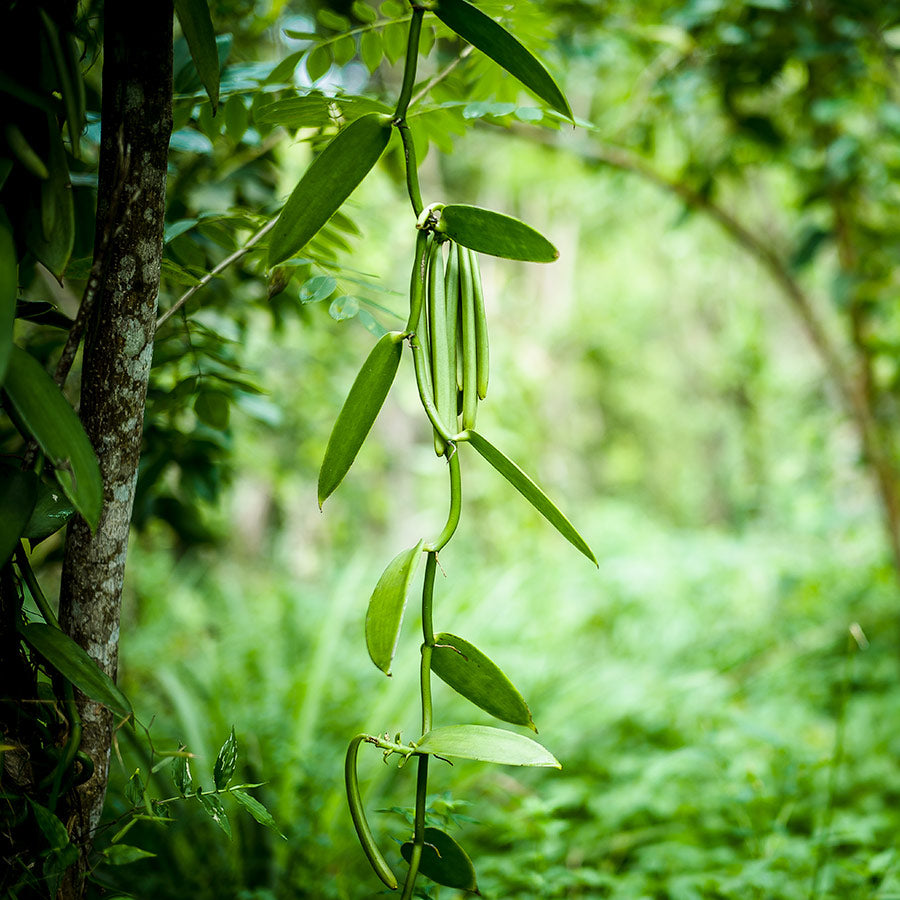
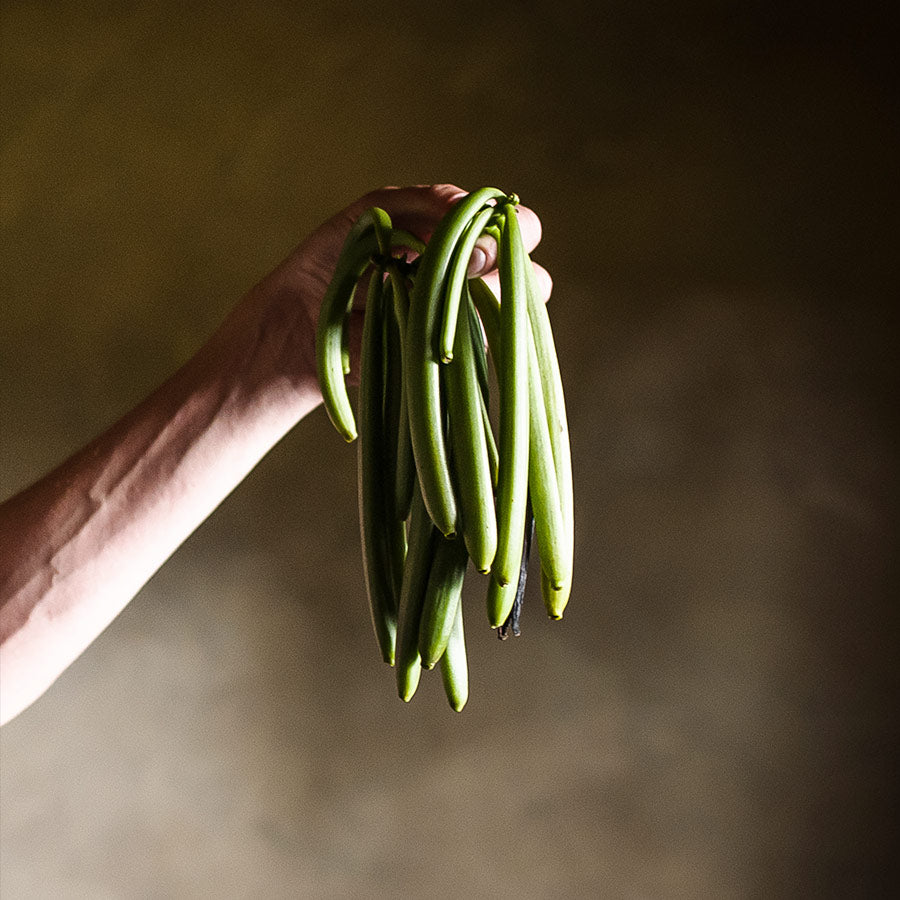



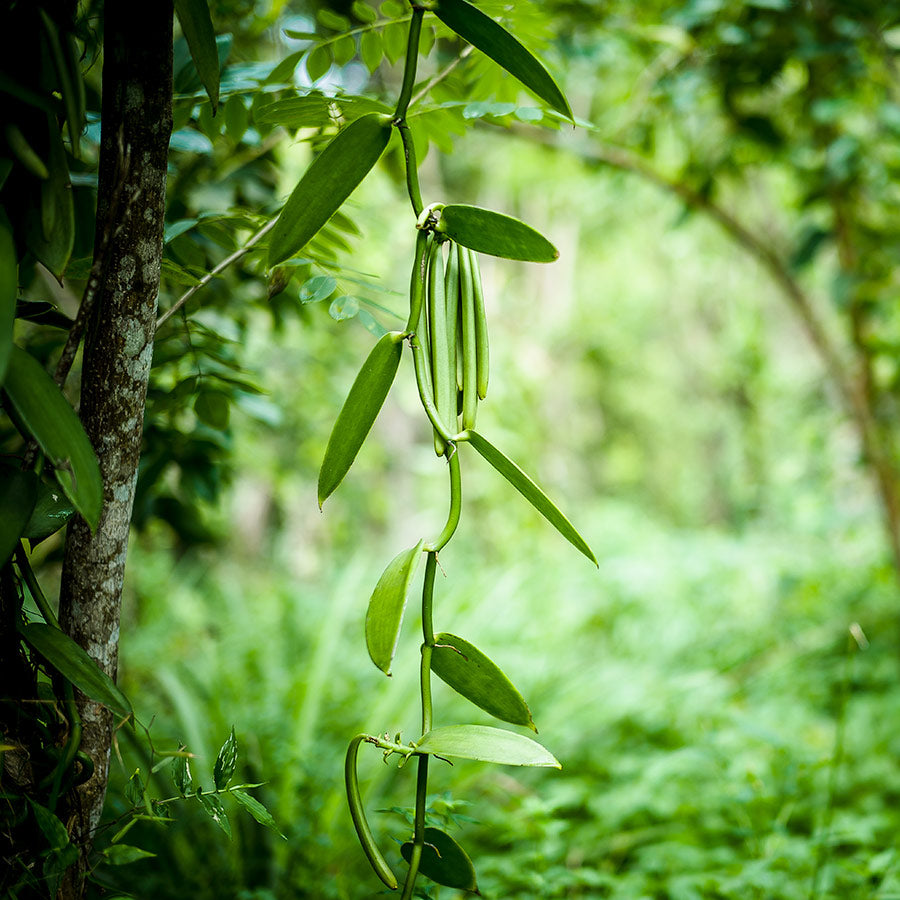
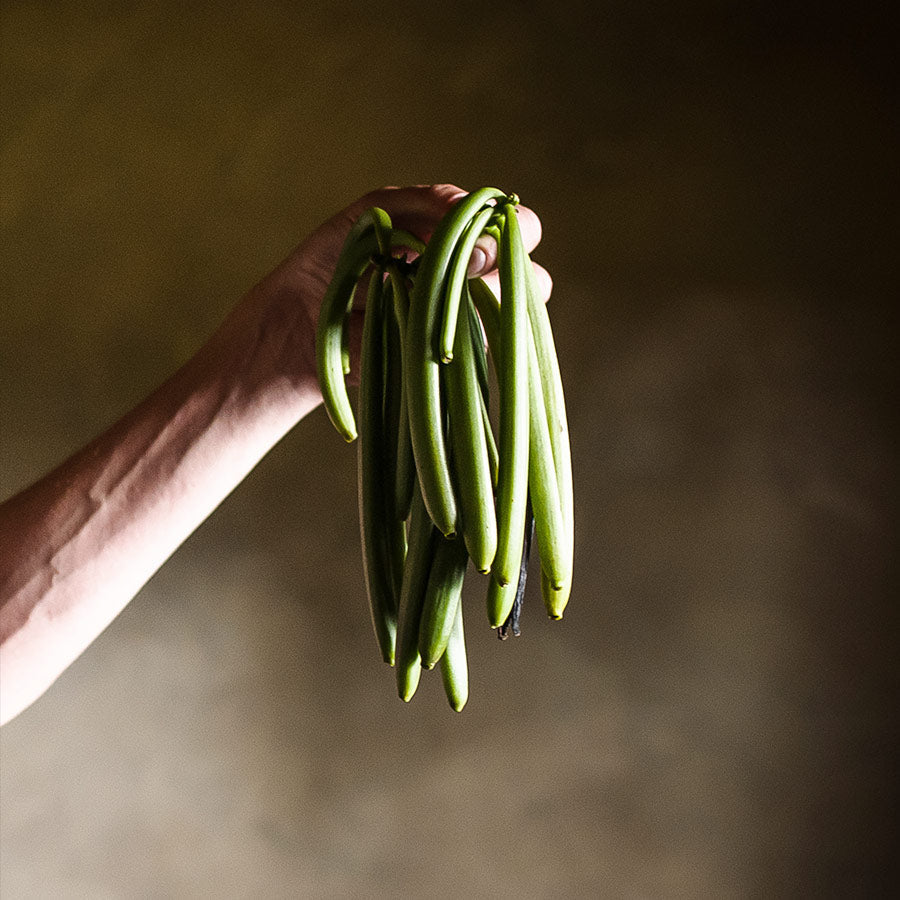
Vanilla powder is a valuable spice made from finely ground vanilla pods. It offers an intense flavour profile and is a popular ingredient in the kitchen. Particularly unique is the vanilla powder from 1001 Organic, which comes directly from small-scale farmers in Sansibar and guarantees maximum freshness and quality.
Understanding vanilla powder
What is vanilla powder?
Vanilla powder is made from dried vanilla pods that are ground into a fine powder. Unlike vanilla sugar or vanilla extract, it delivers the pure, authentic flavour of vanilla.
Differences compared to other vanilla products
- Vanilla powder vs vanilla pods: While vanilla pods are aromatic and versatile, the powder offers a ready-to-use form for quick applications in the kitchen.
- Vanilla powder vs vanilla sugar: Vanilla sugar contains added sugar, whereas vanilla powder provides pure vanilla flavour and is therefore better suited for recipes that do not require additional sweetness.
- Vanilla powder vs vanilla extract: Vanilla extract is dissolved in alcohol, giving it a different consistency and intensity. The powder, by contrast, can be incorporated directly into a wide range of foods and beverages.
- Vanilla powder vs vanilla paste: Vanilla paste often contains sugar and thickening agents, while the powder is pure and easy to dose.
How is vanilla powder made?
Drying whole vanilla pods before grinding
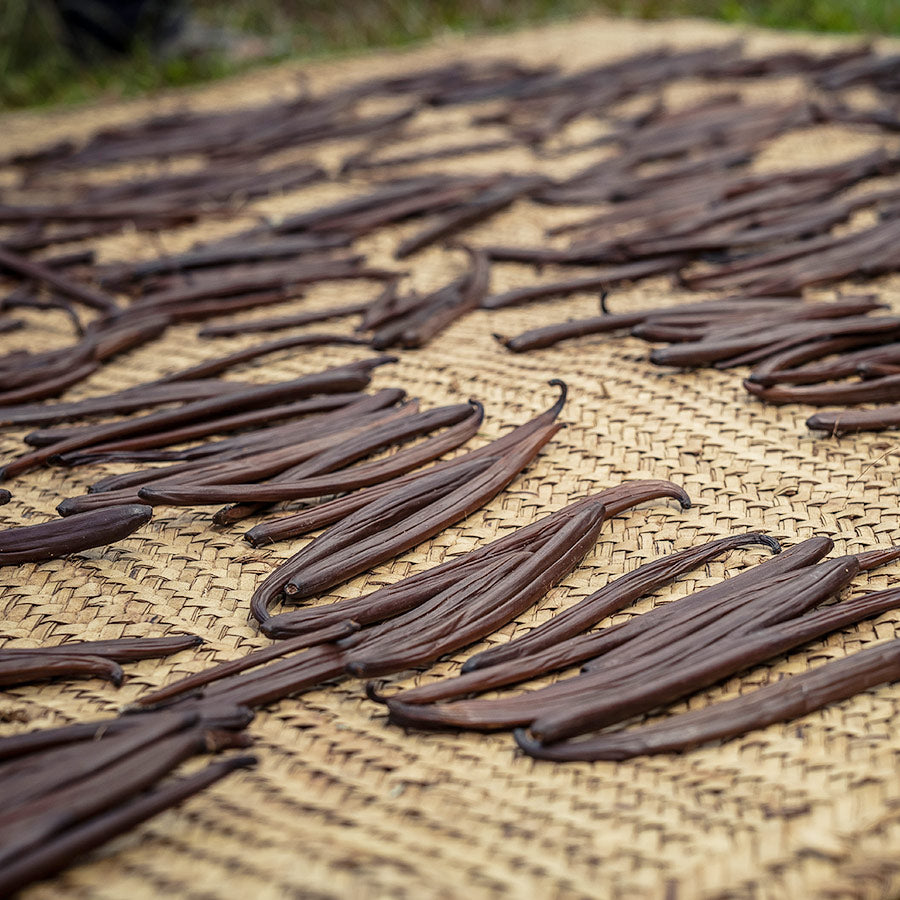
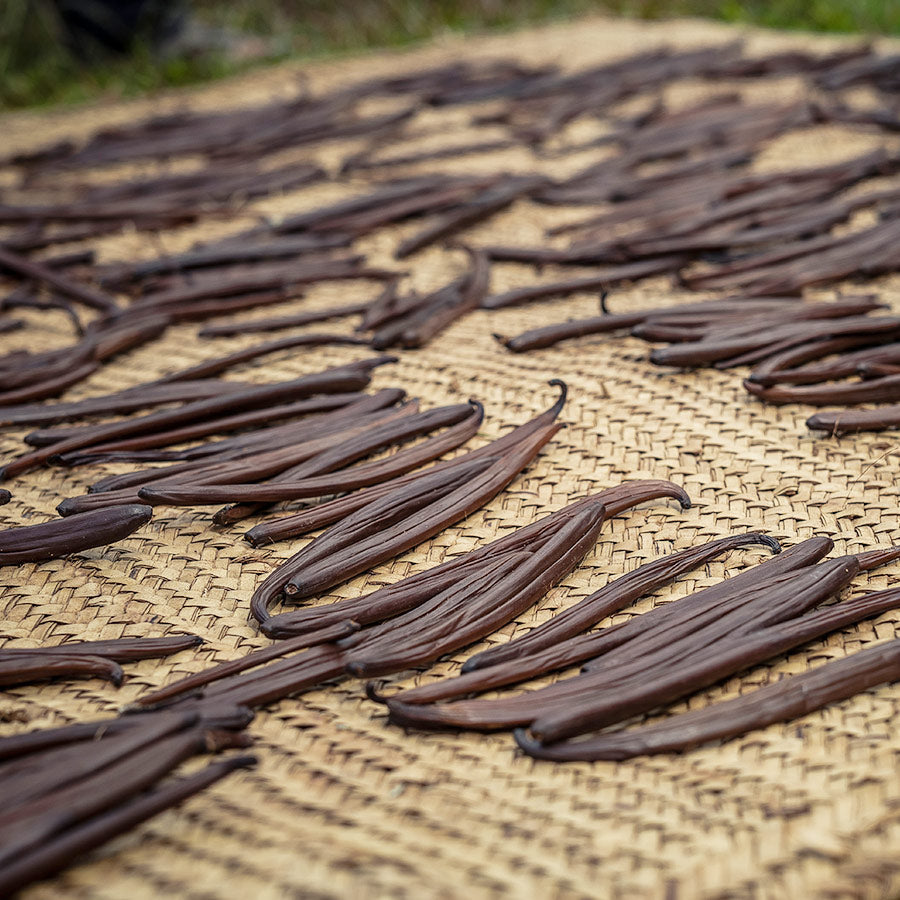
The production of vanilla powder begins with the careful harvesting of vanilla pods, which are then dried for several months. This drying process is crucial for the development of the intense aroma.
Making vanilla powder from scraped pods at home
A DIY method involves scraping out the seeds of vanilla pods, drying the empty shells and later grinding them into powder.
Industrial production and grinding
In industrial processing, dried pods are ground using specialised equipment to preserve the quality and flavour of the vanilla.
Typical vanilla varieties used for powder
The most common vanilla varieties available as powder are Planifolia and the less common Tahitensis, each offering a distinct aromatic profile.
Quality and composition
How to recognise high-quality vanilla powder
- 100% ground pods without additives: High-quality vanilla powder contains no added ingredients and relies solely on pure vanilla.
- Colour, texture and moisture of the powder: Premium powder has a deep brown colour and a fine, even texture.
- Origin of the pods and varietal diversity: Look for responsible sourcing, such as from 1001 Organic.
- Why vanilla powder is among the premium vanilla products: The labour-intensive harvesting and processing give the powder its high value.
Pure vanilla powder vs blends
Pure powder without sugar or carriers
Pure vanilla powder delivers the unadulterated flavour of vanilla and is ideal for a wide range of culinary applications.
Vanilla powder in blends
Some products contain sugar or other carriers. Always check the ingredient list to ensure product quality.
Aroma and sensory characteristics
Aromatic profile of vanilla powder
Typical aroma and flavour of ground vanilla pods
Vanilla powder has the characteristic sweet, floral aroma that is unrivalled in cakes, desserts and beverages.
Differences depending on origin and variety
Depending on the growing region, the aroma of vanilla can vary significantly, offering a broader flavour spectrum and expanding creative possibilities in the kitchen.
Intensity compared to pods, extract and paste
Compared to vanilla pods and extracts, vanilla powder can deliver a more direct and intense aroma, making it a preferred choice for many chefs.
Behaviour when cooking and baking
Solubility of vanilla powder in doughs and liquids
Vanilla powder dissolves well in liquids and can easily be incorporated into doughs, making it ideal for baking recipes.
Visible specks in doughs and creams
Thanks to its fine consistency, the powder distributes evenly and creates small, visually appealing specks in the final product.
Effect of heat: oven, cooking, cold preparations
Heat intensifies the aromatic profile of vanilla powder, while in cold preparations it adds a gentle, balanced flavour note.
When it is better to add the powder at the end
To preserve the full aroma, it is advisable to add vanilla powder towards the end of the cooking or baking process.
Uses in the kitchen
Basic dosage and conversions
How much vanilla powder equals one pod?
As a general rule, one teaspoon of vanilla powder replaces one vanilla pod, depending on the recipe and personal taste.
Teaspoon and gram guidelines for common recipes
For standard recipes, around one to two teaspoons of vanilla powder are recommended.
Dosage for 500 g of dough, cream or mixture
A suitable dosage for 500 g of dough or mixture is approximately two teaspoons of vanilla powder.
Conversion from vanilla powder to vanilla extract
The usual ratio is 1:2, meaning one teaspoon of vanilla powder corresponds to about two teaspoons of vanilla extract.
Sweet recipes with vanilla powder
- Classic desserts: Vanilla powder is perfect for puddings, creams, mousses and ice cream.
- Cakes, tarts, muffins and sponge cakes: Use the powder for beautifully aromatic baked goods.
- Breakfast dishes: Enhance porridge, muesli, pancakes, waffles or French toast with vanilla.
- Fruit, compotes and fruit salads: Vanilla powder adds a refined touch to fruit-based dishes.
- Biscuits and baked treats: Ideal for classic and seasonal recipes.
Beverages with vanilla powder
- Hot drinks: Add vanilla to hot chocolate, milk or tea.
- Shakes, smoothies and cold drinks: Blend vanilla powder into smoothies for a delicious flavour.
- Vanilla in syrups: Create your own vanilla-flavoured syrups for drinks.
Savoury cooking with vanilla powder
- Vanilla in sauces: Refine sauces with a pinch of vanilla powder.
- Pairing with fish: Vanilla can pair surprisingly well with fish and seafood.
- Vegetable dishes: Experiment with vanilla powder in stews and root vegetables.
- Cheese and starters: Try vanilla powder as a creative addition to cheese boards.
Creative applications
- Making vanilla sugar: Mix vanilla powder with sugar to create your own flavoured sugar.
- Vanilla salt: Combine vanilla powder with sea salt for a distinctive seasoning.
- Using as a topping: Sprinkle a pinch of vanilla powder over desserts or breakfast dishes.
- Homemade spice blends: Vanilla powder also complements other spices in custom blends.
Reusing vanilla leftovers
Using pods multiple times
Scraping, infusing, drying and grinding
A sustainable approach allows vanilla pods to be reused several times, even after the seeds have been scraped out.
Zero-waste ideas around vanilla
- Vanilla powder from “used” pods: Drying and grinding them still results in an intense aroma.
- Flavoured sugar, salt or oil: Turn leftover vanilla into aromatic products.
Storage and shelf life
Storing vanilla powder correctly
- Store cool, dry and protected from light: Keep vanilla powder in a cool place to protect its aroma.
- Airtight containers: Use jars or other airtight containers to protect the powder from moisture.
- Protection from foreign odours: Keep vanilla powder away from strongly scented foods.
Shelf life and aroma stability
How long vanilla powder retains its aroma
When stored correctly, vanilla powder retains its aromatic intensity for around one to two years.
Influence of light, air and temperature on aroma
Protect vanilla powder from sunlight and avoid storing it near heat sources.
When vanilla powder is considered “used up”
If the powder loses its colour and aroma, it is time to replace it.
Buying and selection
What to look for when buying vanilla powder
- Ingredient list: Ensure it contains only pure vanilla powder without additives.
- Country of origin: Prefer products from recognised growing regions such as Sansibar.
- Information on variety, harvest and processing: Transparency indicates quality.
- Price factors: Quality and origin influence the price.
Vanilla powder for different target groups
- For home bakers and cooks: Vanilla powder turns cooking and baking into a pleasure.
- For gastronomy and patisserie: High-quality vanilla powder is essential for professional recipes.
- For artisans and ice cream makers: Give your products a distinctive vanilla aroma.
Comparison of vanilla forms
Vanilla pods, powder, extract and sugar at a glance
- Advantages and disadvantages of vanilla powder: Ideal for quick use, less preparation than whole pods.
- When to choose whole pods: For dishes where the original vanilla experience is desired.
- When vanilla powder is especially practical: Perfect for quick preparations and recipes requiring small amounts of vanilla.
- Combining different vanilla forms: Mix powder with pods and extracts for a more intense flavour experience.
Do-it-yourself: making your own vanilla powder
Step-by-step guide using whole pods
Preparing the pods before drying
Start by selecting high-quality vanilla pods and carefully splitting them lengthwise.
Drying in the oven at low temperature
Place the pods on a baking tray and dry them in the oven at 40–50 °C until they are crisp.
Alternative methods: dehydrator, air drying
A dehydrator or simple air drying are gentle alternatives.
Grinding with mortar, blender or spice grinder
Once completely dry, grind the pods into a fine powder.
Fine sieving and filling into small jars
Sieve the powder for an even texture and store it in clean, airtight containers.
Homemade powder from already used pods
Reusing pods after the first use
Even after the seeds have been removed, the pods can still be reused.
Slow drying for intense aroma
Allow enough time for slow drying to concentrate the aroma before grinding.
Sustainability aspects of vanilla powder
Responsible use of resources
- Multiple use of pods and leftovers: Reduces waste.
- Vanilla powder as a form that uses the whole pod: Maximises the value of the raw material.
- Reduction of food waste: Supports a sustainable and conscious approach.
Common questions about vanilla powder
Why does vanilla powder not dissolve completely?
Vanilla powder needs some time to disperse evenly in liquids. Thorough mixing helps integrate it properly.
Why is vanilla powder so intense in flavour?
The intensity depends on the quality of the pods and the processing method. Freshly ground, high-quality powder delivers exceptional aroma.
Can vanilla powder replace extract in every recipe?
In most recipes, vanilla powder can replace vanilla extract, although the dosage may need adjustment.


Nos best-sellers



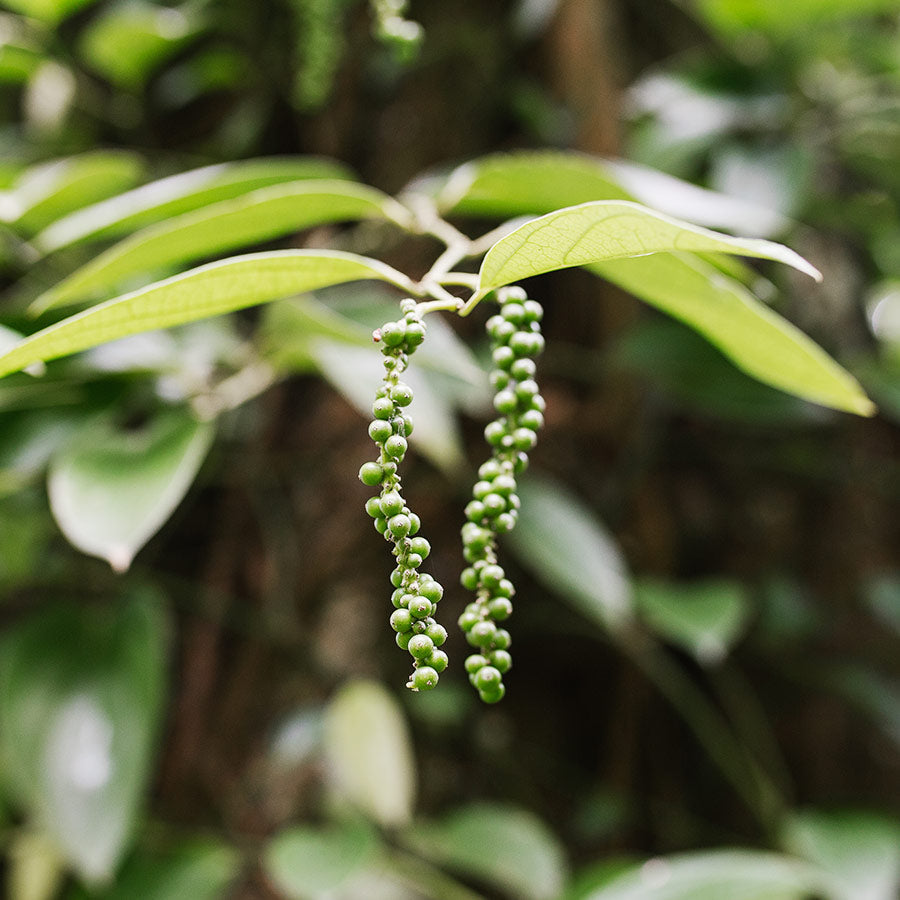














Natural & Fair
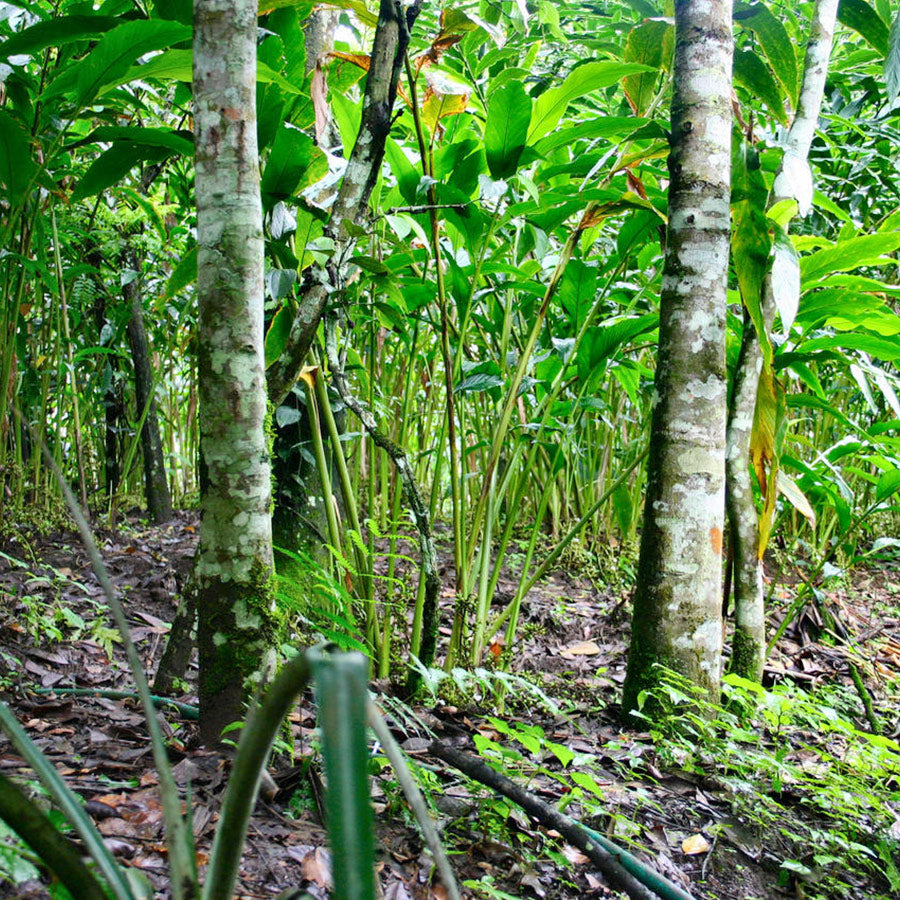
• Sustainable farming practices
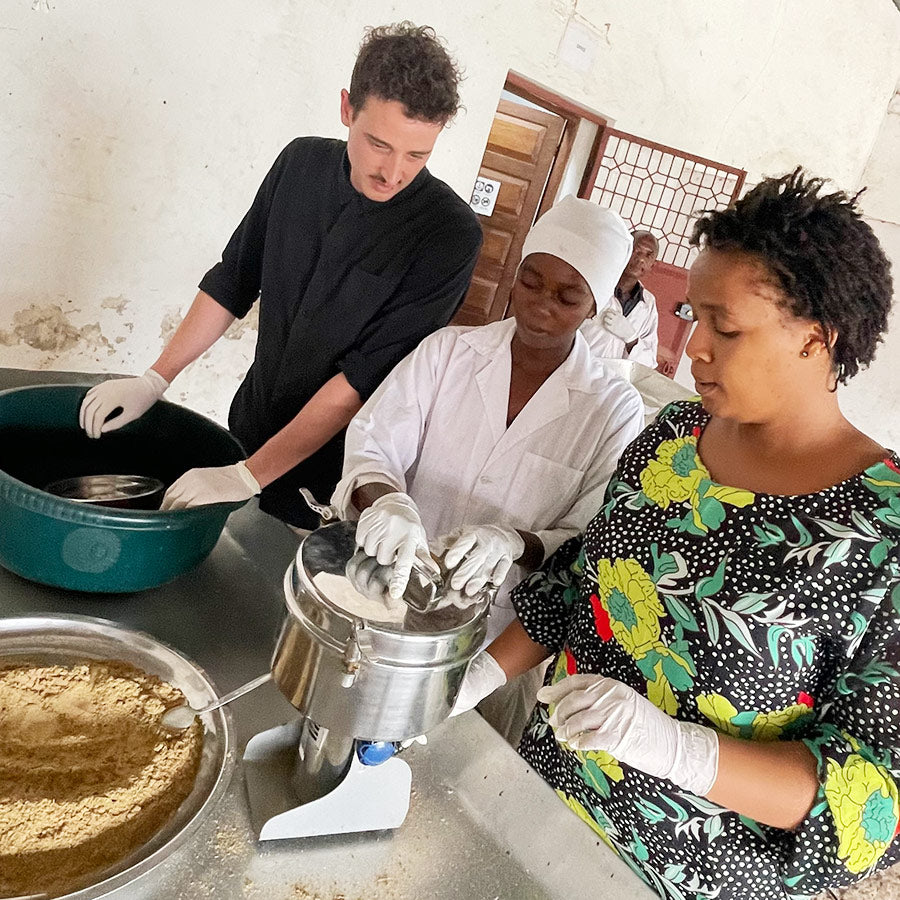
• Local communities
• Direct partnerships
• Effective value creation at the source of the spices
• Farm to Kitchen concept
• Protection of biodiversity
• Fair working conditions

