






A vibrant red colour, the aroma of ripe peppers and a pleasantly mild flavour: sweet paprika is one of those spices used almost daily in many kitchens. Whether in a rich goulash sauce, sprinkled over golden-brown potatoes or added to a flavourful vegetable stir-fry, paprika powder brings not only colour to your plate but also an unmistakably fruity aroma.
If you particularly appreciate this flavour, our Bio Paprika Mild is a suitable choice. We use sun-ripened peppers from Spain, which are carefully dried and finely ground. The result is an aromatic single-ingredient spice with sweet notes and pleasantly subtle heat. Thanks to its mild character, the powder can be used in many different ways: it complements savoury sauces, gives vegetable dishes an appetising colour and is equally suitable for homemade dips or marinades.
The Secret of the Red Pepper
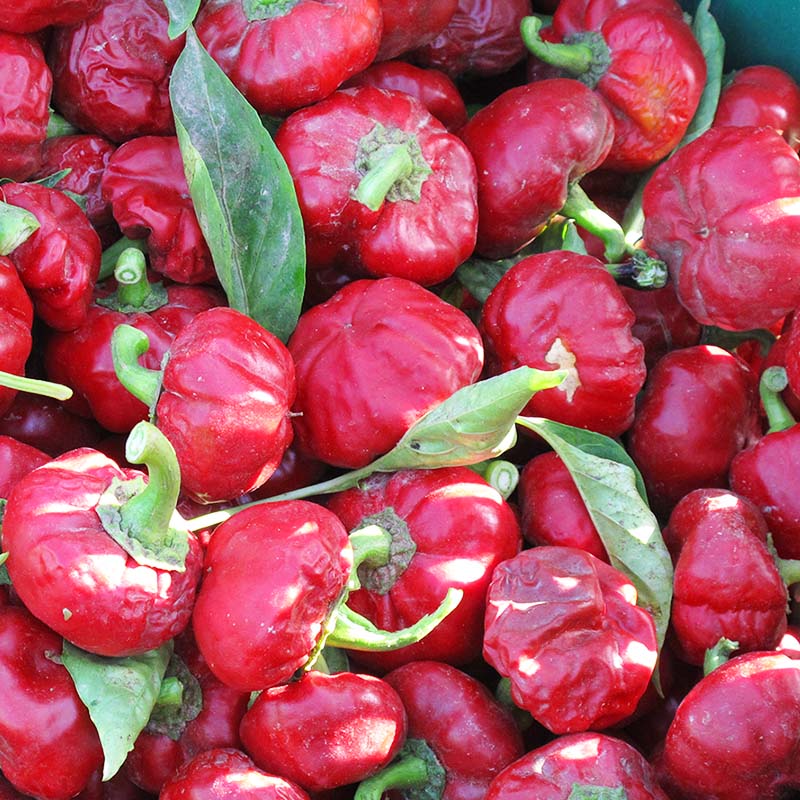
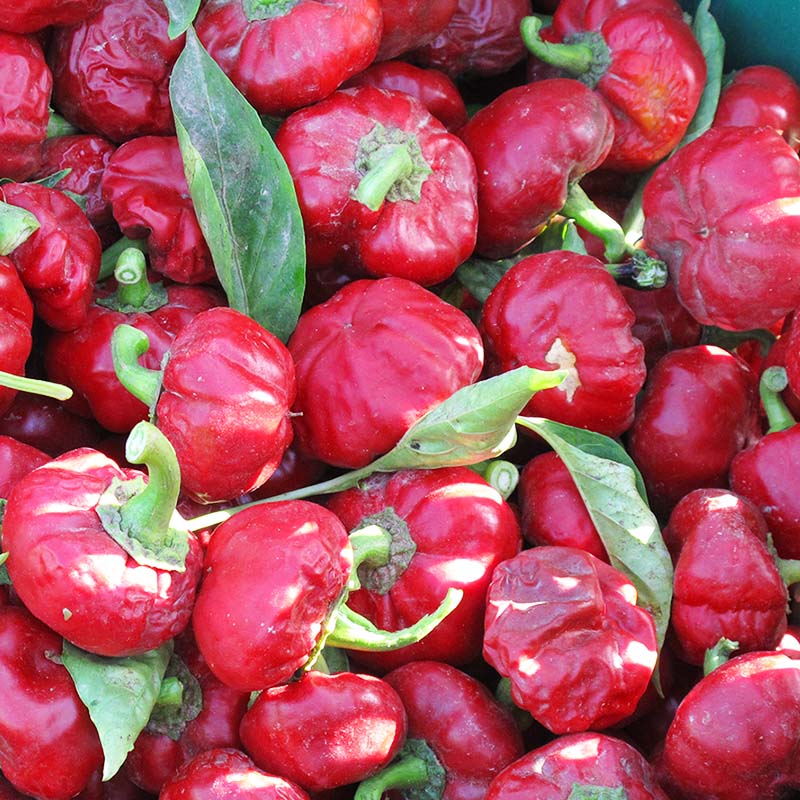
Paprika powder is made from ripe fruits of the Capsicum annuum plant. This species includes different varieties of peppers, whose fruits can vary in shape, colour and heat. To produce paprika spice, the fruits are harvested, dried and then crushed or ground. Drying concentrates certain flavour characteristics, while fine grinding makes the spice easy to use in cooking.
The vibrant red colour comes from the natural pigments in the pepper. Depending on the variety and processing method, the finished powder may have different intensities of red.
What Does Edelsüss Mean in Paprika?
The term "edelsüss" describes a well-known mild commercial grade of paprika. Its flavour is predominantly fruity and spicy, although a slight heat may be present. The word "sweet" does not mean that sugar is added to the spice. Instead, it refers to the natural, slightly sweet aroma of the pepper.
Our Bio Paprika Mild has a flavour profile that corresponds to this mild, fruity style. We offer it as a separate organic paprika powder from Spain without claiming a specific edelsüss commercial classification.
Sun-Ripened Organic Paprika from Spain
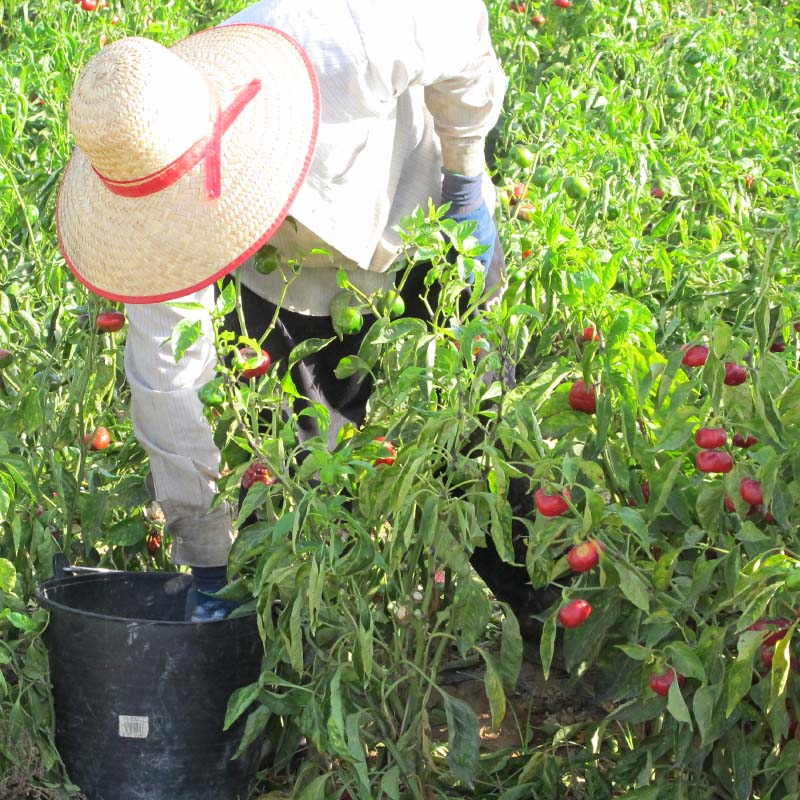
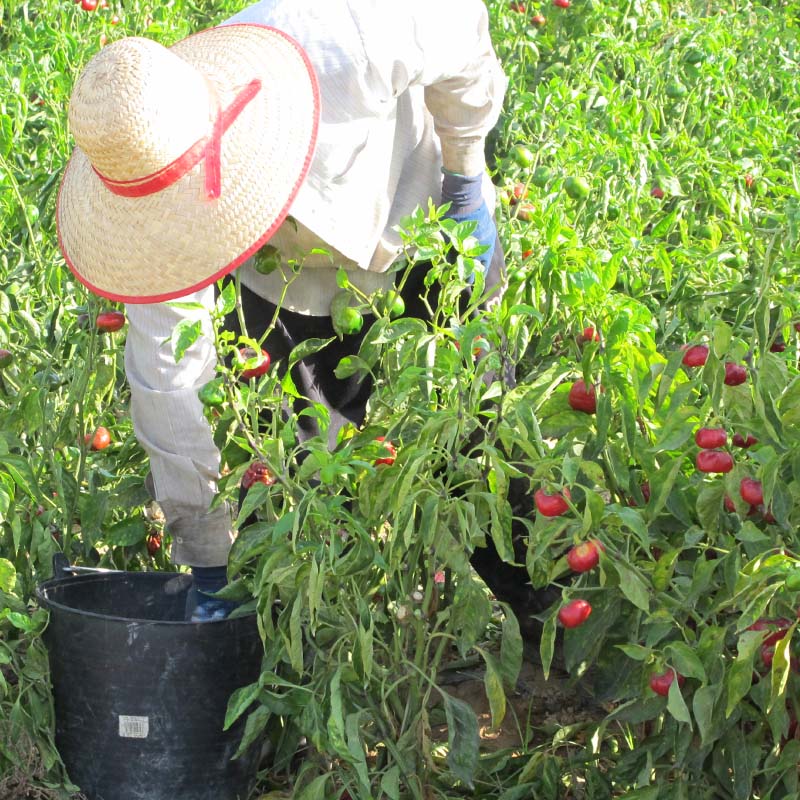
Our Bio Paprika Mild begins with ripe peppers grown under the Spanish sun. The climatic conditions and careful harvesting form the basis of the spice's eventual aroma. After harvesting, the fruits are gently dried and finely ground. This creates a uniform powder that can easily be stirred into sauces, mixed with oil or sprinkled directly over vegetables.
What matters to us is preserving the original character of the pepper. Its fruity, sweet aroma should remain noticeable during cooking and combine harmoniously with other ingredients.
One Ingredient, Many Possibilities
Our Bio Paprika Mild consists of 100% organic paprika. This gives you a pure, single-ingredient spice that you can combine according to your own preferences. The 50 g pack is part of our The Honest Flavour product line. The paprika powder comes from Spain and is certified under the inspection body code CH-BIO-006.
Through The Honest Flavour, we work with independent producers from different regions of origin. This allows us to expand our range with carefully selected spices whose origins remain traceable.
Sweet, Hot or Smoked Paprika Powder?
Paprika powder comes in different flavour varieties. Anyone who enjoys cooking with it will quickly discover that choosing the right variety can change an entire dish. Mild varieties enhance the flavour of vegetables and sauces, while hotter versions have a distinctly spicier character. Smoked paprika powder, on the other hand, adds intense smoky notes.
Sweet Paprika Powder for Mild Seasoning
Sweet paprika powder is particularly appreciated for its fruity flavour. It is suitable for dishes in which the paprika aroma should take centre stage without overpowering the other ingredients with intense heat. Our Bio Paprika Mild is well suited to this type of cooking. For example, it complements potato dishes, tomato sauces and vegetable stir-fries with a warm, slightly sweet flavour.
Hot Paprika for Spicy Dishes
Hot paprika powder has a more pronounced level of heat. Depending on the recipe, it can be useful to combine mild paprika powder with a smaller amount of hotter spices. If you want to control how spicy your food becomes, you can complement our Bio Paprika Mild with our Birdseye Chili Flakes. This preserves the fruity paprika notes while allowing you to adjust the heat separately.
Smoked Paprika for a Different Flavour Profile
Another variety is smoked paprika powder. Our Bio Paprika Smoked is made from peppers that are smoked over oak wood and dried. This creates an intense smoky aroma that pairs particularly well with beans, grilled vegetables and rich sauces. Unlike our Bio Paprika Mild, this variety deliberately emphasises a smoky flavour.
Colour, Flavour and the Right Amount
Paprika powder is one of the few spices whose colour has just as visible an effect on a dish as its flavour. Even a small amount can turn a pale sauce into a warm orange or red shade. The intensity of the result depends on the quantity used, the other ingredients and the preparation method.
For a creamy dip, half a teaspoon may already be enough. For a large pot of goulash or paprika vegetables, however, you can use considerably more.
How to Measure the Right Amount
- For dips: Start with approximately ½ tsp per 200 g of yoghurt or quark.
- For oven-roasted potatoes: Use approximately 1 tsp per 500 g of potatoes as a starting point.
- For vegetable stir-fries: Start with ½–1 tsp for two servings.
- For tomato sauces: Begin with 1 tsp and add more to taste.
- For goulash dishes: Use several teaspoons or tablespoons, depending on the recipe.
These quantities are guidelines and can be adjusted to personal taste. Paprika can play a much more prominent role in hearty stews than in a light vegetable dish.
Why Paprika Powder Can Become Bitter in a Hot Pan
Paprika powder has a fine texture and contains natural components that can quickly darken when exposed to high direct heat. If you add the powder to very hot fat and fry it for an extended period without liquid, it may develop an unpleasant bitter taste. A simple adjustment to your cooking method can help prevent this.
How to Gently Incorporate Paprika into Hot Dishes
First, sauté onions, vegetables or other base ingredients. Then reduce the heat or briefly remove the pan from the stove before stirring in the paprika powder. Add a little liquid afterwards, such as water, stock or strained tomatoes. This allows the spice to distribute evenly without being exposed to direct heat for too long.
For cold dishes, you can stir the powder in directly. Its mild flavour is particularly easy to combine with other ingredients in yoghurt or cream cheese dips.
When Mild Paprika Takes Centre Stage
In many recipes, paprika powder is simply used as an additional seasoning. However, it can also become the main flavour of a dish. This works particularly well in recipes featuring ingredients with a subtle natural flavour. Its natural fruitiness pairs well with potatoes, white beans, cabbage and mild dairy products, for example. In meat dishes, it gives sauces a richer colour and complements savoury roasted aromas.
Ideas for Varied Meals
- Potato gratin: Mix a little mild paprika powder into the cream sauce and sprinkle with cheese before baking.
- Oven-roasted chickpeas: Season with olive oil, paprika and a pinch of cumin.
- Creamy paprika sauce: Use with chicken, mushrooms or vegetables.
- Seasoned butter: Mix softened butter with paprika, garlic and herbs.
- Bean stew: Combine the fruity spice notes with tomatoes and onions.
- Homemade hummus: Enhance with mild paprika powder and finish with a drizzle of olive oil.
Our Bio Paprika Mild can also be combined with individual spices from our range. Black Pepper, Turmeric Powder and the previously mentioned chilli flakes offer particularly interesting ways to create new flavour combinations.
Recipe: Creamy Paprika and White Bean Skillet with Lemon Yoghurt
This dish puts the mild, fruity flavour of paprika centre stage. White beans provide a creamy texture, while tomatoes and lemon create a pleasant contrast. You can serve the skillet with bread or as a warm side dish with rice and potatoes.
Ingredients for Two Servings
- 1 tin of white beans, approximately 240 g drained weight
- 1 red bell pepper
- 1 small onion
- 1 garlic clove
- 150 g chopped tomatoes
- 2 tsp Bio Paprika Mild
- 2 tbsp olive oil
- 100 g plain yoghurt
- 1 tsp lemon juice
- A little black pepper
- Salt to taste
- Optional fresh parsley
Preparation
Finely dice the onion and cut the bell pepper into bite-sized pieces. Chop the garlic and rinse the white beans in a sieve. Heat the olive oil in a frying pan and sauté the onion and bell pepper over medium heat. Once the vegetables have softened slightly, add the garlic and cook briefly.
Reduce the heat, stir in the Bio Paprika Mild and immediately add the chopped tomatoes. Add the beans and allow everything to simmer gently for a few minutes until the sauce has a pleasantly thick consistency. Meanwhile, mix the plain yoghurt with lemon juice and a little pepper. Season the bean skillet with salt and spoon some lemon yoghurt over it before serving.
With fresh parsley and a piece of crusty bread, this becomes a simple meal in which the paprika powder can fully develop its mild aroma.
The Honest Flavour: Spices with Their Own Stories of Origin
With The Honest Flavour, we expand the world of spices at 1001 Organic to include products from independent partners in different regions. The collaboration is based on the idea of providing smaller producers with fair trading opportunities and more direct access to the market. Our Bio Paprika Mild comes from Spain. Its origin therefore differs from that of many of our spices from Tanzania, but it reflects the same commitment to traceable sourcing and responsible collaboration.
We want to make the work behind our spices visible and show that flavour and origin belong together. The organic cultivation of our paprika is an important part of its product quality.
Keeping Sweet Paprika Powder Fresh and Aromatic
Its vibrant colour is one of paprika powder's most striking characteristics. However, this colour can fade when stored for long periods under unsuitable conditions. The intensity of its aroma may also diminish. Heat, light, moisture and oxygen have a particularly strong influence on quality during storage.
We therefore recommend carefully sealing the spice after each use and storing it in a dry place protected from light. A kitchen cupboard is better suited to this than a spot immediately next to the stove or by a sunny window.
If you sprinkle paprika powder directly from its packaging into a hot pot, steam may enter the container. It's therefore best to measure out the desired amount beforehand using a dry spoon. Proper storage helps preserve colour and flavour for as long as possible. Also pay attention to the best-before date on the packaging.
Mild Organic Paprika Powder for Your Spice Collection
Some spices give a dish a single distinctive note. Others bring different ingredients together and create a harmonious overall flavour. For us, mild paprika powder belongs to the second group.
Its fruity, slightly sweet flavour complements vegetables, potatoes, creamy sauces and hearty stews without adding pronounced chilli heat. At the same time, the finely ground powder provides a vibrant colour. With our Bio Paprika Mild from Spain, you get a pure, organically grown paprika spice that you can measure and combine according to your own preferences.
Our Bio Paprika Mild is suitable for anyone who appreciates mild, fruity paprika flavours and values the origin of their spices when cooking.
Frequently Asked Questions About Sweet Paprika
What Is Sweet Paprika?
Sweet paprika, known as edelsüss, is a well-known mild commercial grade of paprika. The powder is made from dried and ground peppers. Its flavour is predominantly fruity, slightly sweet and spicy. Depending on the quality, a small amount of heat may be noticeable.
Is Sweet Paprika Powder Hot?
Sweet paprika powder is one of the mild paprika varieties. It normally has no pronounced chilli heat, although it may have a slightly piquant note. Hot paprika or chilli is often used when considerably more heat is desired.
What Is the Difference Between Sweet Paprika and Hot Paprika?
Sweet paprika is characterised by its mild, fruity aroma. Hot paprika has a noticeably spicier taste. The differences depend, among other things, on the pepper variety and processing method.
Is the Mild Paprika Powder from 1001 Organic Certified Organic?
Yes. Our Bio Paprika Mild consists of 100% organically grown paprika from Spain. Its certification is listed under CH-BIO-006. The product contains no additional spices or added salt.
Where Can You Buy Organic Sweet Paprika Powder?
If you're looking for mild organic paprika powder with a sweet, fruity flavour, you can order our Bio Paprika Mild online. It comes from Spain, contains 50 g and is suitable for vegetables, potatoes, stews and dips. The exact commercial classification as "edelsüss" is not separately specified for this product.
Can You Use Sweet Paprika Powder for Goulash?
Yes. The fruity paprika flavour pairs particularly well with goulash, braised dishes and rich sauces. Ideally, add the powder at reduced heat and then add liquid to prevent it from burning and becoming bitter.
Why Does Paprika Powder Sometimes Taste Bitter?
Paprika powder can taste bitter if it is heated in fat for too long at very high temperatures. Unsuitable storage conditions can also affect its aroma. It's best to stir it in over moderate heat and add liquid soon afterwards when preparing hot dishes.
Is Sweet Paprika the Same as Smoked Paprika Powder?
No. The term "edelsüss" describes a mild commercial grade of paprika. Smoked paprika powder develops an additional smoky aroma through the smoking process. Our Bio Paprika Mild and Bio Paprika Smoked are therefore suitable for different flavour profiles.


Nos best-sellers























Natural & Fair
• Sustainable farming practices
• Local communities
• Direct partnerships
• Effective value creation at the source of the spices
• Farm to Kitchen concept
• Protection of biodiversity
• Fair working conditions

