

0 products
Sorry, there are no products in this collection
Floral, fruity and pleasantly spicy: cardamom is one of the most distinctive spices for sweet and savoury dishes. Its complex aroma complements Indian-inspired curries, fragrant rice, freshly brewed chai and delicate baked goods. If you want to buy cardamom, it's worth considering its origin, flavour and the right product form.
Our whole green cardamom pods come from Tanzania, where we work directly with smallholder farmers. They offer delicate flavour notes of ginger, apricot and tropical flowers. Depending on your recipe, you can simmer the pods whole, lightly crush them or open them to use the aromatic seeds. Discover our green cardamom from Tanzania and bring new flavours to your kitchen.
Buy Cardamom and Discover Its Versatile Aroma
Cardamom is known for its intense fragrance and remarkably complex flavour profile. It combines warm, spicy notes with fruity freshness and floral accents. This makes it suitable for both savoury dishes and sweet recipes.
Combining cardamom with other spices is particularly interesting. While cinnamon adds a warm, sweet aroma, ginger provides fruity heat. Cardamom brings these two flavour profiles together and complements them with its distinctive floral note.
If you want to buy cardamom as a spice, there are several ways to use it:
- Whole cardamom pods: Ideal for chai, rice dishes, curries and slow-cooked dishes.
- Lightly crushed pods: Suitable when you want the aroma to develop more intensely during cooking.
- Cardamom seeds: Can be removed from the pods and freshly crushed in a mortar.
- Ground cardamom: Convenient for cakes, biscuits and other baking recipes.
We offer whole green cardamom pods, allowing you to decide how to prepare the spice for each recipe. Whether you use whole pods in chai or freshly ground seeds in baked goods, our cardamom is wonderfully versatile.
Green Cardamom from Tanzania – Origin and Cultivation
Cardamom is cultivated in various tropical regions around the world. The plants need suitable temperatures, sufficient moisture and appropriate growing conditions. Green cardamom in particular is known for its intense fragrance and versatile culinary uses.
Our cardamom comes from Tanzania, where we work directly with smallholder farmers. The spice plants grow in diverse mixed agroforestry systems, where different plant species are cultivated together. This form of agriculture reflects our commitment to promoting biodiversity and responsible farming practices.
How Does Cardamom Grow?
Green cardamom comes from the plant species Elettaria cardamomum, which belongs to the ginger family. This perennial plant develops long, narrow leaves and produces flowers and fruit clusters close to the ground. After flowering, small greenish fruit capsules develop, containing numerous dark seeds.
These seeds are largely responsible for cardamom's distinctive flavour and can be used for seasoning once the pods have been opened. Harvesting and subsequent drying are important steps in producing the spice. The intensity of cardamom's eventual aroma and flavour depends on factors including ripeness, processing and storage conditions.
Direct Trade with Smallholder Farmers
We want to help the people behind our spices build long-term economic opportunities. That's why we focus on direct trading relationships, fair partnerships and promoting local value creation. Working with smallholder farmers is an important part of our trading model.
Our approach includes:
- Fair purchase prices: We aim to compensate smallholder farmers appropriately for their work.
- Long-term cooperation: Lasting trading relationships provide a more reliable foundation for producers.
- Local support: We invest in infrastructure and support farming communities through training.
- Environmental responsibility: Diverse mixed agroforestry systems and the promotion of biodiversity are important elements of our approach.
- Transparent origins: We provide traceable information about the regions our products come from.
Our green cardamom is natural but not certified organic. We value honest product communication and deliberately distinguish between responsible farming practices and official certification. This allows you to choose our spices with a clear understanding of their characteristics and origins.
Whole or Ground Cardamom – Which Is Better?
If you want to buy cardamom as a spice, first consider how you intend to use it. Whole pods and ground cardamom differ mainly in how they are handled and how their aromas are released. Both forms offer different possibilities for cooking and baking.
You can prepare whole cardamom pods freshly whenever you need them. Use them to flavour liquids, or open the pods and crush the seeds in a mortar. This allows you to adjust the intensity of the spice to suit your recipe.
Benefits of Whole Cardamom Pods
The pod casing surrounds the aromatic seeds and provides some protection against external influences. As a result, whole pods often retain their distinctive fragrance longer than ground cardamom when stored correctly.
They are particularly suitable for:
- Chai and tea: The pods can be lightly crushed, left to infuse and then removed.
- Rice dishes: Whole pods release their aroma into the rice during cooking.
- Curries and stews: Cardamom complements other spices with floral and fruity notes.
- Baked goods: The seeds can be freshly ground and added directly to the dough or batter.
Our kitchen tip: When using whole pods, you can control the intensity through the quantity and preparation method. A few whole pods are often enough for a milder flavour. For a stronger spice note, lightly crush them beforehand.
When Is Ground Cardamom Useful?
Ground cardamom is convenient when you want the spice to be distributed evenly throughout a recipe. A powdered consistency is especially helpful for cakes, biscuits, desserts and delicate baked goods. This allows the spicy and floral aromas to blend well with the other ingredients.
You can grind the seeds from our whole cardamom pods yourself whenever needed. This means you don't have to keep a supply of pre-ground cardamom and can prepare a small amount freshly each time.
How to Use Cardamom – Opening Pods and Grinding Seeds
Using whole cardamom pods is straightforward. Depending on the recipe, you can cook them whole, lightly crush them or open them completely. For baking in particular, it makes sense to remove the seeds from the casing and crush them freshly. This allows you to distribute them evenly throughout the dough or batter and control the desired flavour intensity.
How to Prepare Cardamom Pods Step by Step
- Select the pods: Take the required number of green cardamom pods from the packaging.
- Lightly crush: Gently press the pods with the flat side of a knife or a mortar.
- Remove the seeds: Open the pod casing and take out the small dark seeds if you want to use them separately.
- Crush freshly: If needed, grind the seeds in a mortar to make a coarse or fine powder.
- Add to your dish: Use the prepared seeds directly in doughs, curries or other recipes.
For chai and certain rice dishes, lightly crushing the pods is often enough. You can leave them to infuse during preparation and remove them before serving. If you're new to using cardamom, start with a small amount and adjust the intensity to your taste.
Cardamom for Chai, Tea and Aromatic Drinks
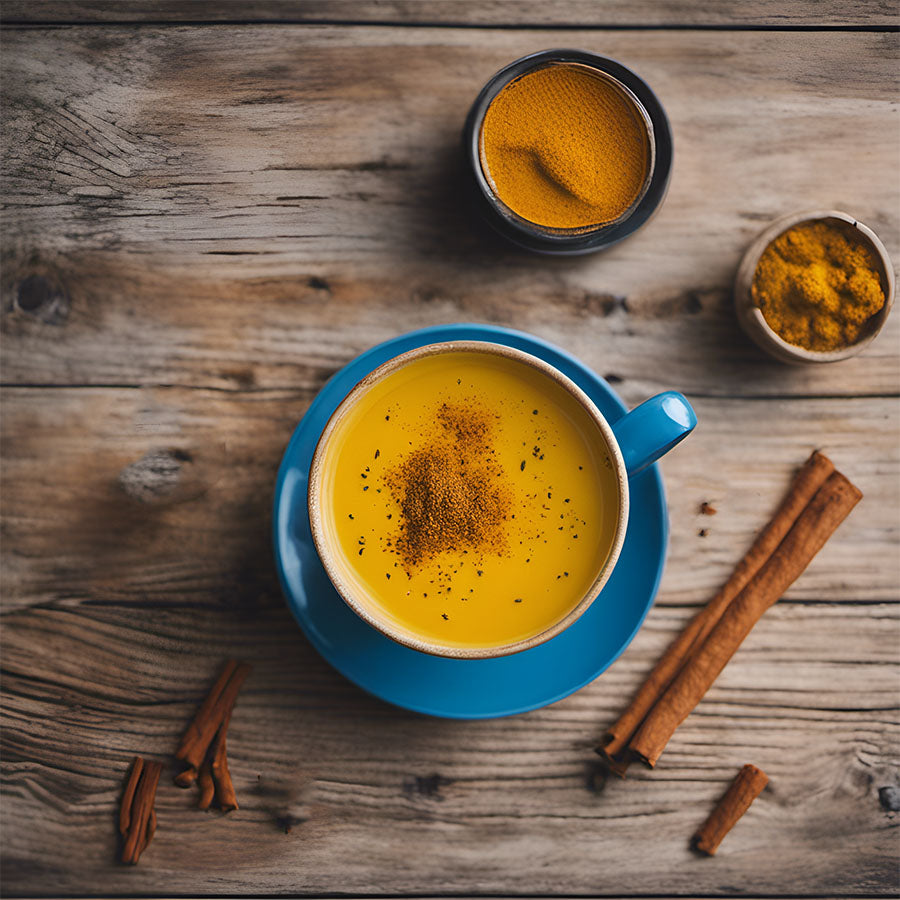
One of the best-known uses for cardamom is chai. In many recipes, the spice is combined with black tea, milk and other aromatic ingredients. Cinnamon, ginger and cloves are particularly popular, creating a warm and complex flavour profile together.
Cardamom gives the drink a fruity, floral note and complements the warmth of the other spices. Depending on the recipe, you can adjust the intensity by varying the number of pods and the infusion time.
How to Make Chai with Cardamom
For two cups of homemade chai, you'll need:
- Water and milk: Approximately 400 ml in total of water and milk or a plant-based alternative, according to taste.
- Cardamom: 2–4 lightly crushed cardamom pods.
- Cinnamon: 1 small Cinnamon Stick.
- Ginger: A little ground ginger.
- Cloves: 1–2 whole cloves.
- Black tea and sugar: According to personal preference.
First, gently heat the water and spices in a small saucepan. Let the mixture infuse for a few minutes so the flavours can combine. Then add the black tea, followed by milk or a plant-based alternative to taste. Strain out the tea leaves and spices before serving.
If you prefer a ready-balanced tea blend, discover our KAZI YETU Zanzibar Chai Tee. The blend combines black tea with cinnamon, ginger, cardamom and cloves, allowing you to enjoy the characteristic flavours of chai with ease.
Cardamom in Coffee and Other Drinks
Coffee can also be flavoured with cardamom. In various coffee traditions, the spice is combined with ground coffee beans or added during preparation. This brings together the roasted aromas of coffee with cardamom's floral and spicy notes.
For your first attempt, a small amount of freshly crushed cardamom seeds is enough. Strong coffee in particular creates an interesting contrast between the roasted flavours and the spice's distinctive character. Start with a small quantity and adjust the flavour to your preferences.
Cooking with Cardamom – Versatile Ideas for Savoury Dishes
Cardamom is a versatile spice for curries, rice dishes, soups and stews. Its characteristic aroma complements both mild ingredients and bold spice blends. Combinations with rice, lentils, coconut milk and different vegetables are especially interesting.
Since cardamom can have a very intense flavour, we recommend seasoning sparingly at first. This allows you to bring out its fruity and floral notes without overpowering the other ingredients.
Which Dishes Go Well with Green Cardamom?
Green cardamom can be used in numerous savoury recipes. Its aromatic seeds are especially well suited to the following dishes:
- Rice dishes: A few lightly crushed pods give basmati rice a fragrant, spicy note.
- Lentil curries: Cardamom complements cumin, coriander and turmeric with fruity, floral aromas.
- Vegetable stews: Particularly suitable for dishes containing carrots, pumpkin and potatoes.
- Coconut milk sauces: Its warm spice creates an interesting contrast with the mild flavour of coconut.
- Slow-cooked dishes: Whole pods can infuse during cooking and be removed before serving.
For easy curries, you can also combine cardamom with our Royal Curry. The blend already contains various spices, including coriander, cumin and turmeric. Start by adding just a little extra seasoning to keep the individual flavours balanced.
Cardamom for Baking and Sweet Dishes
Alongside savoury dishes, cardamom is a popular spice in many baking traditions. It pairs particularly well with sweet doughs, nuts, dairy products and fruit. Its warm, slightly fruity aroma complements yeast-based pastries, biscuits and rice pudding, for example.
For even seasoning, we recommend grinding the seeds as freshly as possible before mixing them with the other ingredients. This distributes the distinctive cardamom aromas throughout the dough, batter or dessert.
Cardamom for Baked Goods and Desserts
You can use cardamom to enhance various sweet recipes:
- Yeast-based pastries: Adds a delicate floral spice note to sweet doughs.
- Biscuits: Pairs well with butter, almonds and other nuts.
- Rice pudding: Provides a warm, aromatic note.
- Fruit compote: Complements pears, apples and stone fruits.
- Chocolate desserts: Can add a spicy nuance to dark chocolate.
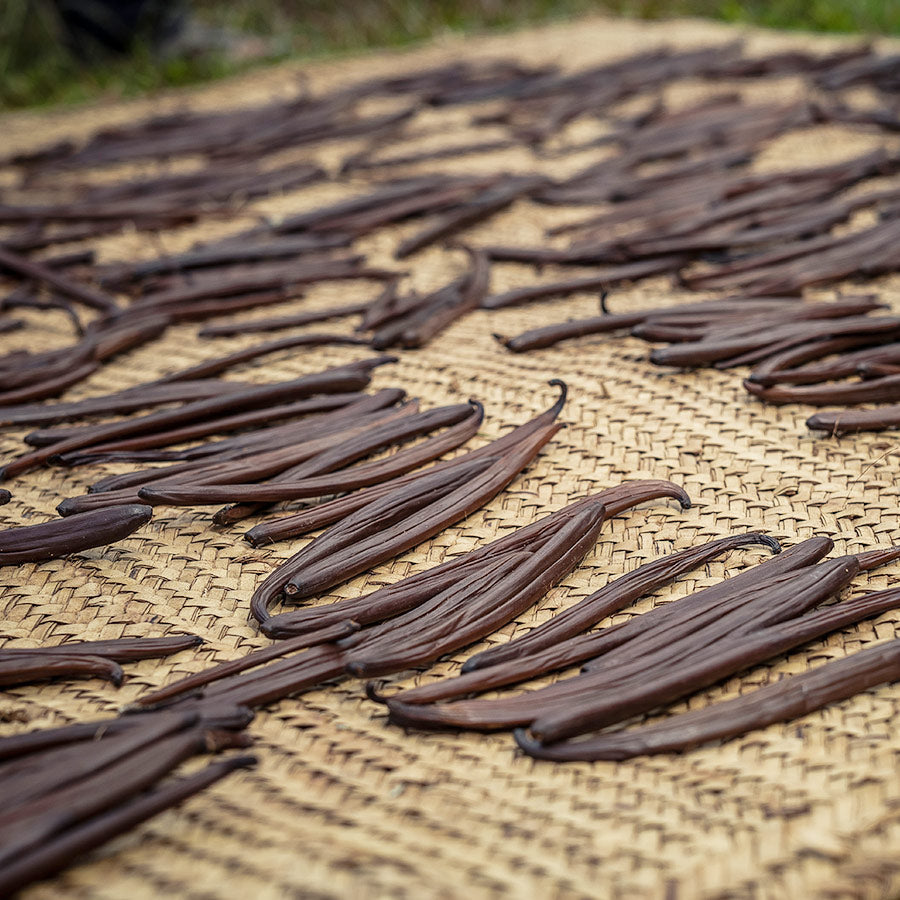
Cardamom combines particularly well with our Organic Cinnamon Powder. For desserts with a more delicate, warming aroma, you can also add a little Pemba Vanilla Powder. Together, these spices create a versatile combination for cakes, creams and baked goods.
The Difference Between Green and Black Cardamom
Not all cardamom has the same flavour profile. Green and black cardamom are especially well known and come from different plant species. Green cardamom has a floral, fruity and slightly ginger-like aroma. Black cardamom, on the other hand, often has a stronger, earthier and smokier character.
Here are the main differences:
- Green cardamom: Versatile for chai, coffee, rice dishes, curries and baked goods.
- Black cardamom: Particularly suitable for rich, slow-cooked dishes, savoury curries and intense spice combinations.
- Flavour difference: Green cardamom usually tastes fresher and more floral, while black cardamom is often smokier and more savoury.
- Substitution: Because of their different aromas, the two varieties cannot be directly substituted in every recipe.
Our range includes whole green cardamom from Tanzania. It works well in both sweet and savoury recipes, making it a versatile addition to your spice rack. Green cardamom offers plenty of possibilities, especially if you enjoy experimenting with chai, curries or aromatic baked goods.
How to Recognise Quality Cardamom and Store It Properly
When buying cardamom, it's worth examining the condition of the pods. Whole green cardamom pods usually have a greenish to yellowish-green colour and contain numerous small, dark seeds. When you carefully open a pod, you should notice its distinctive spicy fragrance.
Origin and careful storage are also important factors in your purchasing decision. We focus on traceable information about origins and source our cardamom directly from smallholder farmers in Tanzania.
How to Store Cardamom Pods Properly
To help your cardamom retain its aroma for as long as possible, protect it from moisture, light and excessive heat. Proper storage is especially important for whole pods so that the seeds inside retain their distinctive fragrance.
- Seal tightly: Store the pods in suitable, tightly sealed packaging.
- Protect from light: A kitchen cupboard is often more suitable than a spot directly beside a window.
- Avoid moisture: Always use a dry spoon when taking out the pods.
- Keep pods whole where possible: Open or grind them shortly before use.
- Check shelf life: Follow the best-before date and check the condition of the spice.
If the pods have very little fragrance after prolonged storage, their aromatic intensity may have decreased. If you notice an unusual smell, moisture or visible mould, you should no longer use the spice. Keeping cardamom dry and protected from light helps preserve its characteristic flavour for as long as possible.
Buy Cardamom Online at 1001 Organic
Whether you're preparing spicy chai, fragrant rice or homemade baked goods, green cardamom brings a variety of aromas to your kitchen. Its floral, fruity and warming notes can be combined with numerous spices, opening up many possibilities for cooking and baking.
Our whole cardamom pods come from Tanzania, where we work directly with smallholder farmers. Through long-term partnerships, we aim to promote fair trading conditions and strengthen local value creation. With notes of ginger, apricot and tropical flowers, our cardamom has a distinctive flavour profile that makes it a special ingredient for a wide range of recipes.
You can open the whole pods, lightly crush them or freshly grind the seeds as needed. If you're looking to buy cardamom as a spice, you'll find a versatile ingredient with traceable origins and an intense flavour in our shop. Buy green cardamom from 1001 Organic now and discover new flavours for your favourite recipes.
Frequently Asked Questions About Cardamom
Where Can You Buy Cardamom?
You can buy cardamom in spice shops, well-stocked supermarkets and specialist online stores. In our online shop, you'll find whole green cardamom pods from Tanzania in a 25 g pack. The pods are suitable for cooking whole, lightly crushing and freshly grinding the seeds inside.
Is Kardamon the Same as Cardamom?
The terms Kardamon and Kardamom refer to the same spice in German. The standard German spelling is Kardamom, while Kardamon is an alternative spelling. Green cardamom is used for chai, curries, rice dishes and baked goods, among other recipes.
Which Is Better: Whole or Ground Cardamom?
Whole cardamom pods are suitable for cooking and can be freshly opened or ground as needed. Ground cardamom is particularly convenient for baked goods and desserts. Whole pods often retain their aroma longer when stored correctly and allow for individual preparation.
Can You Eat Cardamom Pod Husks?
The pod casing is not inherently inedible, but it has a rather firm, fibrous texture. Whole pods are therefore often removed after cooking when preparing tea and many rice dishes. For baking, the seeds are frequently removed and freshly crushed in a mortar.
What Does Green Cardamom Taste Like?
Green cardamom has an intense floral, fruity and spicy aroma. Our cardamom from Tanzania features delicate flavour notes of ginger, apricot and tropical flowers. It pairs particularly well with cinnamon, ginger and vanilla.
Is 1001 Organic Cardamom Certified Organic?
Our green cardamom is not certified organic. It is natural and comes directly from smallholder farmers cultivating diverse mixed agroforestry systems in Tanzania. We value traceable information about origins and long-term trading relationships.
Which Spices Pair Well with Cardamom?
Cardamom pairs particularly well with cinnamon, ginger, cloves, vanilla, coriander and cumin. The ideal combination depends on whether you're preparing chai, curry, a rice dish or sweet baked goods. Start with small quantities and adjust the seasoning to your taste.


Nos best-sellers
























Natural & Fair
• Sustainable farming practices
• Local communities
• Direct partnerships
• Effective value creation at the source of the spices
• Farm to Kitchen concept
• Protection of biodiversity
• Fair working conditions

