





A green spice can give a dish a completely new flavour with very little effort. Basil brings a mild, slightly sweet herbal note to your cooking, oregano has a stronger, somewhat bitter taste, while leaf powders such as moringa have an intense, plant-like character. These spices differ not only in flavour but also in how they behave during cooking.
We offer a variety of green herbs and spices that you can use to enhance your favourite dishes. Our Organic Basil, for example, is ideal for tomatoes and pasta, while Organic Oregano works well in savoury sauces and baked dishes. Our Organic Herbes de Provence allow you to use several herbs at once. For a completely different flavour profile, you can also discover Moringa Oleifera Powder from Tanzania in our range.
What Is Meant by a Green Spice?
The term "green spice" does not refer to a clearly defined botanical category. In everyday language, it often describes green culinary herbs, dried leaves or powders made from them. Blends of different herbs can also fall under this description.
The green colour of fresh plants comes primarily from chlorophyll. During drying, the colour can change: some herbs retain a rich green shade, while others become more olive-green or brownish. This does not automatically mean that they are less aromatic.
For culinary use, colour alone is therefore not the deciding factor. Far more important are the flavour profile, the amount used and whether the spice should cook with a hot dish or be added only at the end.
Green Herbs with Different Characteristics
- Basil: Mild, slightly sweet and somewhat peppery. Particularly suitable for tomatoes, mozzarella and pasta.
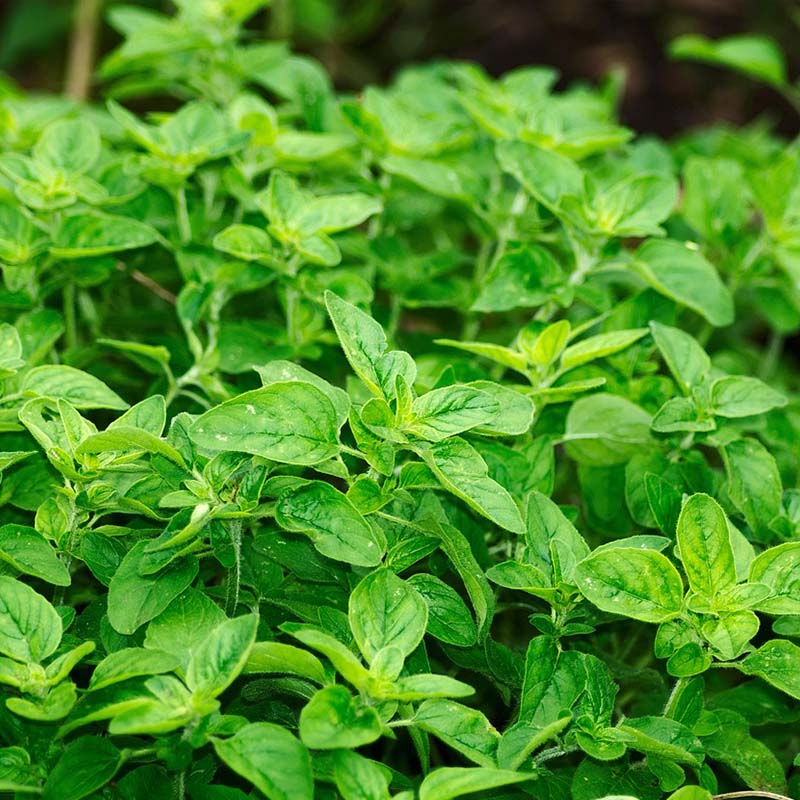
- Oregano: Strong, aromatic and slightly bitter. A good choice for tomato sauces and Mediterranean oven-baked dishes.
- Thyme: Warm and aromatic, with a subtly bitter note. Suitable for vegetables, pulses and slow-cooked dishes.
- Rosemary: Intense, resinous and distinctive. Particularly popular with potatoes and roasted vegetables.
- Parsley: Fresh and relatively mild. Often used to finish soups and sauces.
- Savory: Hearty and slightly peppery, ideal for beans and substantial vegetable dishes.
- Moringa: A green leaf powder with an intense flavour that can be reminiscent of herbs and horseradish.
These ingredients cannot simply be substituted for one another without changing the flavour. For example, if you are preparing a mild basil-based dish, a large amount of rosemary or moringa would significantly alter its character.
Leaf Spices Bring Their Own Distinctive Aromas
Many traditional spices are obtained from seeds, bark, fruits or roots. With green culinary herbs, however, the leaves are often the main focus. Depending on the plant, their aromatic compounds can produce sweet, bitter, resinous, peppery or fresh notes.
What is particularly interesting is the variety of ways these aromas can be combined. Basil and oregano can season a tomato sauce together. Thyme and rosemary pair well with potatoes, while savory is an excellent addition to pulses.
Green herbs are therefore not just suitable as a finishing garnish. Used correctly, they can shape the flavour of an entire dish.
Use a Single Herb or Combine Several?
Individual herbs are particularly useful when you want to highlight a specific flavour. A simple tomato sauce, for example, can be prepared using basil alone. For a vegetable bake, on the other hand, a combination of different herbs may be a better choice.
When creating your own herb blend, we recommend choosing one main herb first. Then add a smaller amount of a second or third herb. This keeps the seasoning balanced and understandable without making it unnecessarily complex.
Organic Basil – A Green Spice with a Mild Character
Basil is one of the best-known green herbs in Mediterranean cuisine. Its leaves have a distinctive aroma that, depending on the variety, combines sweet, peppery and slightly spicy notes. Our Organic Basil comes from the mountainous regions of Kosovo. The leaves are gently processed and dried. The product consists of 100% organic basil, is certified organic and is available in a 15 g pack.
Basil pairs particularly well with ingredients that have mild or fruity flavours.
Using Basil in Your Cooking
- Tomato dishes: For simple pasta sauces, tomato salads or baked tomatoes.
- Mozzarella: A small amount of basil complements the mild cheese.
- Pasta: Stirred into olive oil or a light sauce.
- Stir-fried vegetables: Particularly suitable with courgettes, aubergines and peppers.
- Herb dips: Combine with natural yoghurt, quark or a plant-based alternative.
Dried basil can be used directly during cooking. If you are adding it to a cold sauce, you can first mix the herb with a little oil or liquid. This helps distribute it more evenly.
Organic Oregano for Bold, Savoury Dishes
Not every green spice tastes fresh or mild. Oregano has a significantly stronger aroma and adds a slightly bitter, savoury note. This flavour is particularly noticeable in warm dishes containing tomatoes, olive oil and vegetables.
Our Organic Oregano is grown in Kosovo and gently dried. We offer it as a pure organic herb in a 15 g pack. While basil works particularly well in mild sauces, oregano is also suitable for dishes where a more pronounced herbal flavour is desired.
How to Use the Right Amount of Oregano
For a tomato sauce made with approximately 400 g of strained tomatoes, you can start with half a teaspoon of dried oregano. Let the sauce simmer for a few minutes and then taste it. If you want to use oregano in a cold marinade, you can mix the herb with a little olive oil and lemon juice. This creates a simple herb seasoning for vegetables or salads.
For very mild ingredients, a smaller amount is recommended, as oregano can quickly overpower other flavours.
Green Spice Blends for Easy Everyday Cooking
An herb blend is particularly suitable for dishes that bring together several aromatic elements. Instead of measuring different individual herbs, you can use a ready-made blend and adjust the amount to your taste.
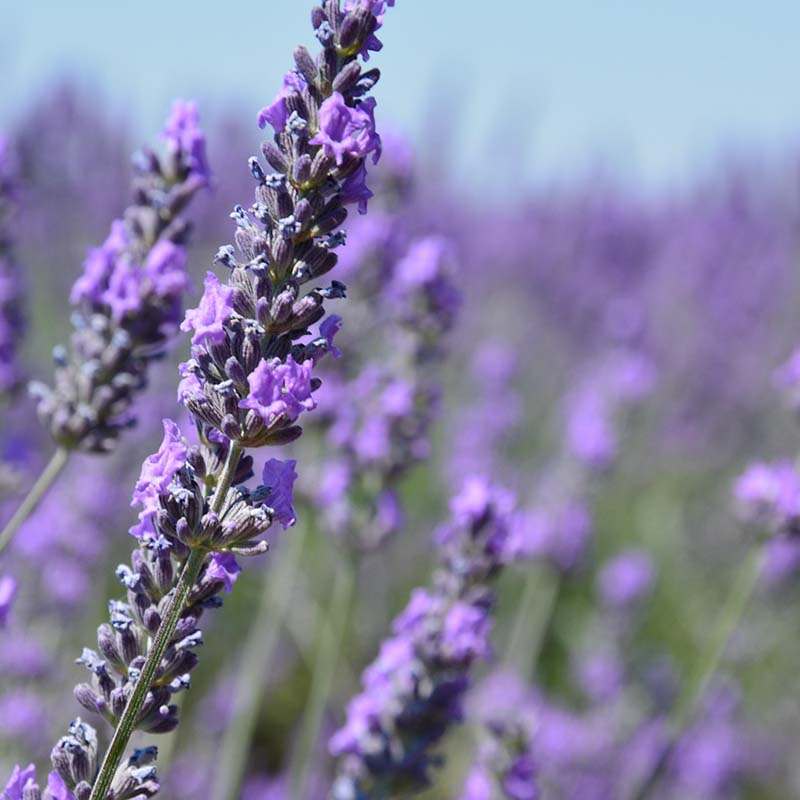
Our Organic Herbes de Provence contains organic thyme, organic rosemary, organic basil, organic oregano, organic savory, organic bay leaves and organic lavender. The herbs come from Kosovo and are certified organic. The blend combines warm, slightly bitter and delicate floral aromas. This makes it noticeably different from using basil or oregano alone.
Dishes That Work Well with a Green Herb Blend
- Roasted potatoes: Mix the herbs with a little olive oil and distribute over the potatoes before roasting.
- Vegetable bake: Sprinkle over courgettes, aubergines or tomatoes.
- White beans: Simmer slowly with onions and vegetables.
- Herb butter: Stir a small amount into softened butter.
- Focaccia: Spread over the dough with olive oil.
- Grilled vegetables: Use as part of a simple marinade.
Because Herbes de Provence contains several intensely flavoured herbs, we recommend using it sparingly. For approximately 500 g of vegetables, you can start with half a teaspoon.
Moringa – Green Leaf Powder with Its Own Distinctive Flavour
Alongside traditional culinary herbs, there are green leaf powders with a very different flavour profile. One of these is moringa, which is obtained from the leaves of the moringa tree. Our Moringa Oleifera Powder comes from Tanzania and consists of moringa. It has an intense, plant-like flavour with notes reminiscent of horseradish and herbs. We offer the powder in a 35 g pack.
Moringa differs from traditional herbs such as basil and oregano. Its flavour is more pronounced, and it cannot simply be used as a substitute for a Mediterranean herb blend. It is therefore worth using the powder selectively and in small quantities.
Using Moringa in Cold and Hot Dishes
- Herb dips: Stir a small amount into natural yoghurt or a plant-based alternative.
- Smoothies: Combine with fruit and other ingredients that balance its intense flavour.
- Vegetable soups: Stir in a small amount shortly before serving.
- Salad dressings: Mix with oil, lemon juice and other ingredients.
- Savoury spreads: Combine with cream cheese or a plant-based cream.
Our Moringa Oleifera Powder is natural but not certified organic. If you are specifically looking for certified organic culinary herbs, Organic Basil, Organic Oregano and Organic Herbes de Provence are suitable choices.
Why Green Spices Do Not Always Look Bright Green
The colour of dried herbs depends on factors including the plant species, processing methods and storage conditions. Fresh leaves often have a rich green colour, while dried herbs tend to display more muted green or olive shades.
A particularly vibrant colour is therefore not reliable proof of a stronger flavour. Likewise, the quality of a spice cannot be assessed solely by its colour. What matters more is choosing ingredients that suit your dishes and storing them correctly. With dried basil and oregano, for example, the characteristic herbal aroma should be clearly noticeable when you open the packaging.
How to Store Green Herbs Properly
- Protection from light: Store dried herbs in a dark place whenever possible, as light can affect plant pigments and aromas.
- Keep dry: Protect spices from moisture to prevent clumping or spoilage.
- Well-sealed packaging: Reduces contact with air and unwanted odours.
- Keep away from the stove: Avoid permanently warm storage locations directly next to cooking surfaces.
- Use dry utensils: Always use a clean, dry spoon.
If you have several green spices at home, it is worth keeping them neatly organised. This makes it easy to find the right herb for each dish without unnecessarily opening multiple packs at once.
How to Use Green Herbs Correctly When Cooking
Not all spices release their aromas in the same way. Dried oregano, for example, can simmer in a tomato sauce. Fresh basil, by contrast, is often added shortly before serving to preserve its characteristic fragrance.
With dried herbs, it can be helpful to gently rub them between your fingers before use. This breaks up the leaves and makes them easier to distribute evenly. For dishes that are heated only briefly, you can mix the herbs with a little liquid or oil. In a dip or dressing, they also need a little time to combine properly with the other ingredients.
When to Add Herbs to Different Dishes
During slow cooking: Oregano, thyme and other robust herbs can be added to the sauce while the dish is being prepared. This allows their flavour to combine with the other ingredients.
In stir-fried vegetables: It is best to add dried herbs when the heat has been reduced. Frying them for too long in very hot oil can produce bitter notes.
In cold dips: Mix the herbs with yoghurt, quark or oil and leave the mixture in the refrigerator for a few minutes to develop its flavour.
When serving: A small additional amount of herbs can round out the flavour just before serving. However, you should be particularly sparing with strongly flavoured herbs.
Recipe: Green Herb Dip with Basil and Oregano
An herb dip is an easy way to combine different green spices. Our recipe is suitable for roasted potatoes, vegetables, flatbread or as a sauce for a savoury wrap. We use basil as a mild base and add a smaller amount of oregano for a stronger herbal flavour. Fresh parsley brings additional colour and a different herbal note.
Ingredients for One Small Bowl
- Natural yoghurt: 200 g natural yoghurt or a plant-based alternative
- Quark or cream cheese: 100 g quark or plant-based cream cheese
- Organic Basil: ½ tsp Organic Basil
- Organic Oregano: ¼ tsp Organic Oregano
- Parsley: 2 tbsp freshly chopped parsley
- Lemon juice: 1 tsp lemon juice
- Garlic: 1 small garlic clove, finely grated
- Olive oil: 1 tsp olive oil
- Salt and pepper: Salt and black pepper to taste
Preparation
First, mix the natural yoghurt with the quark until you have a smooth cream. Then add the Organic Basil, Organic Oregano and finely chopped parsley. Add the garlic, olive oil and lemon juice. Mix everything thoroughly and carefully season the dip with salt and a little black pepper.
Cover the mixture and place it in the refrigerator for approximately 15 to 20 minutes. During this time, the dried herbs can blend more effectively with the creamy base. Before serving, stir the dip again and check the seasoning. If you prefer a fresher note, you can add a few drops of lemon juice.
For a variation in flavour, you can try stirring in a very small amount of moringa next time. Start with a pinch on the tip of a knife and taste the dip, as the leaf powder has a considerably more intense flavour than the other ingredients.
Create Your Own Green Spice Blend
If you enjoy experimenting with herbs, you can make a simple blend to keep in your pantry. The advantage is that you can tailor the ingredients to the dishes you like cooking most. For a mild, versatile everyday seasoning, we recommend a mixture of basil, oregano and thyme. It is suitable for stir-fried vegetables, potatoes, tomato dishes and simple herb sauces.
A Green Herb Blend to Keep in Your Spice Jar
- Organic Basil: 3 tsp as a mild, aromatic base.
- Organic Oregano: 2 tsp for a hearty herbal note.
- Dried thyme: 1 tsp for additional depth of flavour.
- Dried parsley: 2 tsp for a milder herbal element.
- Dried savory: Optional ½ tsp for a stronger variation.
Mix only completely dried ingredients and transfer them into a clean, dry spice jar. Store the blend tightly sealed and protected from light. For approximately 500 g of vegetables, you can start with half to one teaspoon. For a cold dip, even less may be sufficient.
This blend is a recipe idea for making at home and is not a ready-packed product from our range. If you prefer a pre-mixed herb seasoning, you can use our Organic Herbes de Provence instead.
Versatile Ways to Use Green Spices in Everyday Cooking
Many green herbs are not limited to a single dish. Basil, for example, works well not only with pasta but also in mild vegetable dishes and dips. Besides tomato sauces, oregano can also be used to season pulses and baked dishes.
The key is to choose spices that suit the character of the dish. A richly flavoured mushroom pan-fry can often handle more bitter herbs than a mild salad with cucumber and yoghurt. You can also experiment with different preparation methods. In a sauce, dried herbs spread throughout the dish as it cooks. With oven-roasted vegetables, they combine with the oil and roasted aromas. In a cold dip, by contrast, their herbal notes are particularly noticeable.
To get started, it is worth choosing two different individual herbs first. This gives you a better sense of which flavours you prefer and when a ready-made herb blend might be useful.
Buy Green Spices from 1001 Organic
Whether you are looking for Mediterranean culinary herbs or an intense green leaf powder, our products allow you to explore different flavour profiles. Our Organic Basil is particularly suitable for tomatoes, pasta and mild herb dips. With Organic Oregano, you can enhance richer sauces, vegetable dishes and baked casseroles.
Our Organic Herbes de Provence combines seven selected herbs in one blend. For a distinctly different, intense leafy flavour, we also offer Moringa Oleifera Powder. Choose your green spices according to their aroma and the dishes you enjoy preparing. This allows you to create a selection of spices that offers variety in flavour and can be used in many ways in everyday cooking.
Frequently Asked Questions About Green Spices
What Is a Green Spice?
The term green spice often refers to dried culinary herbs or green leaf powders. Examples include basil, oregano, thyme and moringa. It is not a precisely defined product category. These spices can differ considerably in flavour, colour and use. It therefore makes sense to choose them according to their individual aromatic profiles.
Which Green Spices Go Well with Vegetables?
Basil, oregano, thyme and rosemary are suitable for various vegetable dishes. Basil pairs particularly well with courgettes and tomatoes, while oregano adds a stronger savoury flavour. Thyme and rosemary complement potatoes and roasted vegetables, among other ingredients. An herb blend such as Herbes de Provence combines several aromas in one mixture.
What Is the Difference Between Green Herbs and Spices?
In culinary language, herbs are often considered a type of spice. Culinary herbs generally refer to aromatic leaves and young parts of plants. Spices can also be obtained from seeds, bark, roots, fruits and other plant parts. The terms overlap in everyday use, which is why dried oregano or basil may also be described as a spice.
Is Moringa a Green Spice?
Moringa is a green leaf powder that can also be used for seasoning. Our Moringa Oleifera Powder consists of moringa and comes from Tanzania. Its flavour is intense and reminiscent of herbs and horseradish. It is suitable for dips, smoothies and soups, for example. The product is natural but not certified organic.
How Much Dried Green Herb Should I Use?
The right quantity depends on the herb and the dish. For approximately 400 g of tomato sauce, for example, you can start with half a teaspoon of oregano or basil. A blend containing several strong herbs may require less. Stir in the spices, allow their flavours to develop briefly and then taste the dish again.
Why Do Green Herbs Lose Their Colour When Dried?
During drying, the green plant pigment chlorophyll undergoes changes. Temperature, oxygen and light can also affect the colour. This is why dried herbs often appear less vibrant than fresh leaves. However, colour alone is not a reliable indication of how intense a spice will taste. The plant species and processing methods also play important roles.
Can You Make Your Own Green Spice Blend?
Yes. For example, you can combine dried basil, oregano, thyme and parsley. All ingredients should be completely dry and stored in a tightly sealed spice jar. You can add salt separately. This allows you to use the blend flexibly for vegetables, potatoes or herb dips.
Which Green Spices Does 1001 Organic Offer?
We offer Organic Basil, Organic Oregano and Organic Herbes de Provence from Kosovo. You can also find Moringa Oleifera Powder from Tanzania in our range. The products have different flavour profiles and can be used in a variety of dishes. While basil and oregano are traditional culinary herbs, moringa is a more intensely flavoured leaf powder.


Nos best-sellers

























Natural & Fair
• Sustainable farming practices
• Local communities
• Direct partnerships
• Effective value creation at the source of the spices
• Farm to Kitchen concept
• Protection of biodiversity
• Fair working conditions

