





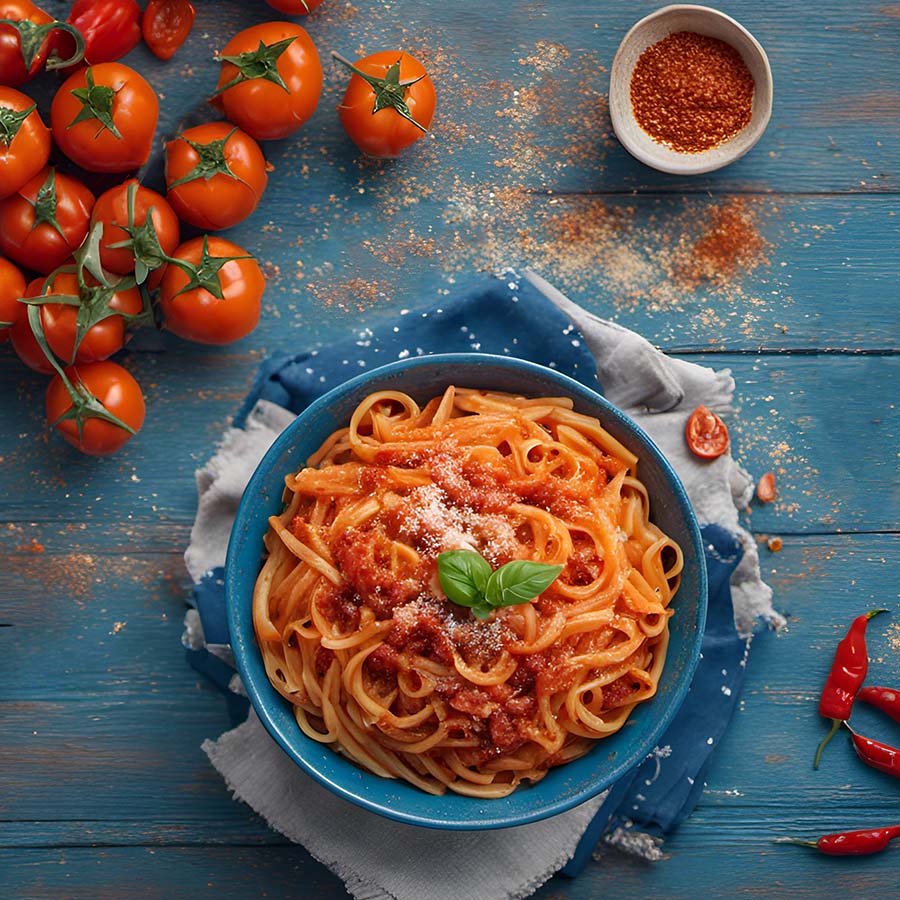


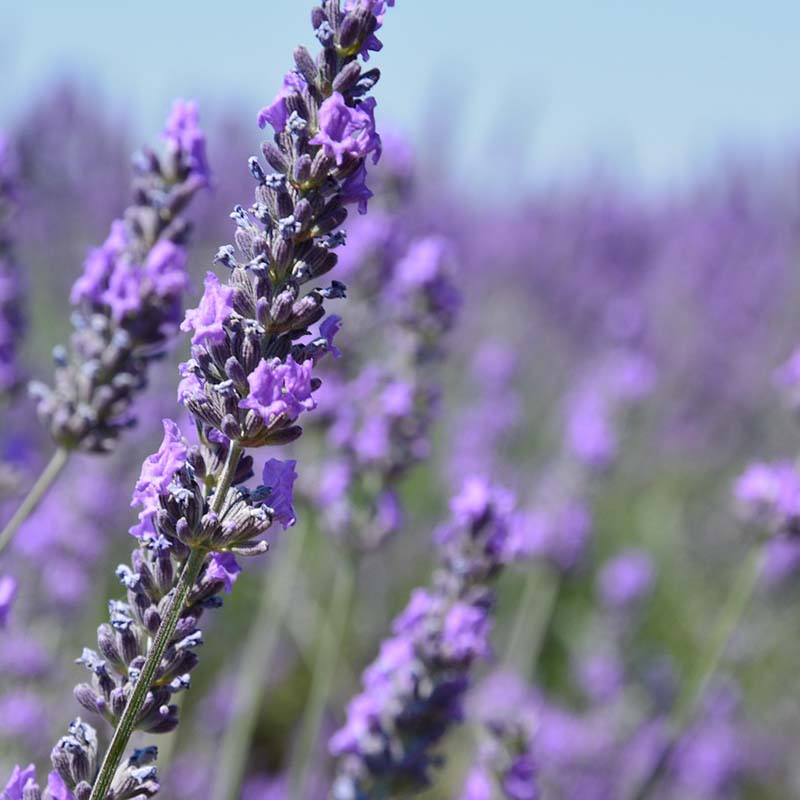


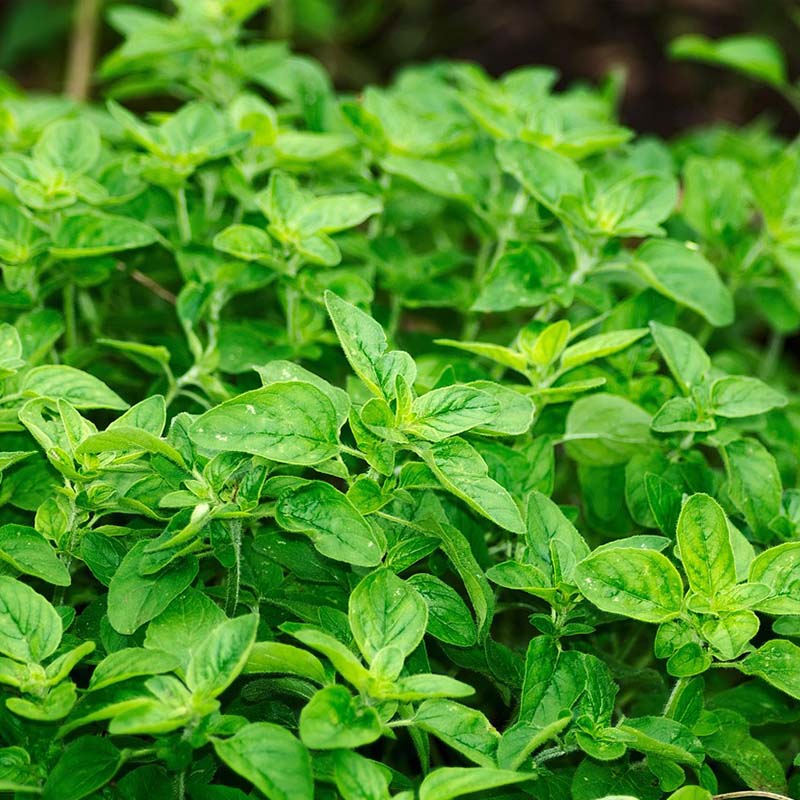

The world of pasta is fascinating and full of variety. When you choose the right spices for pasta, you can significantly improve the flavor of your noodle dishes. Discover the best spices and combinations here for delicious pasta creations!
Typical basic spices for pasta
Mediterranean herb classics
- Basil
- Oregano
- Rosemary
- Thyme
- Marjoram
- Sage
Savory companions
- Garlic
- Onion (fresh, granulated, flakes)
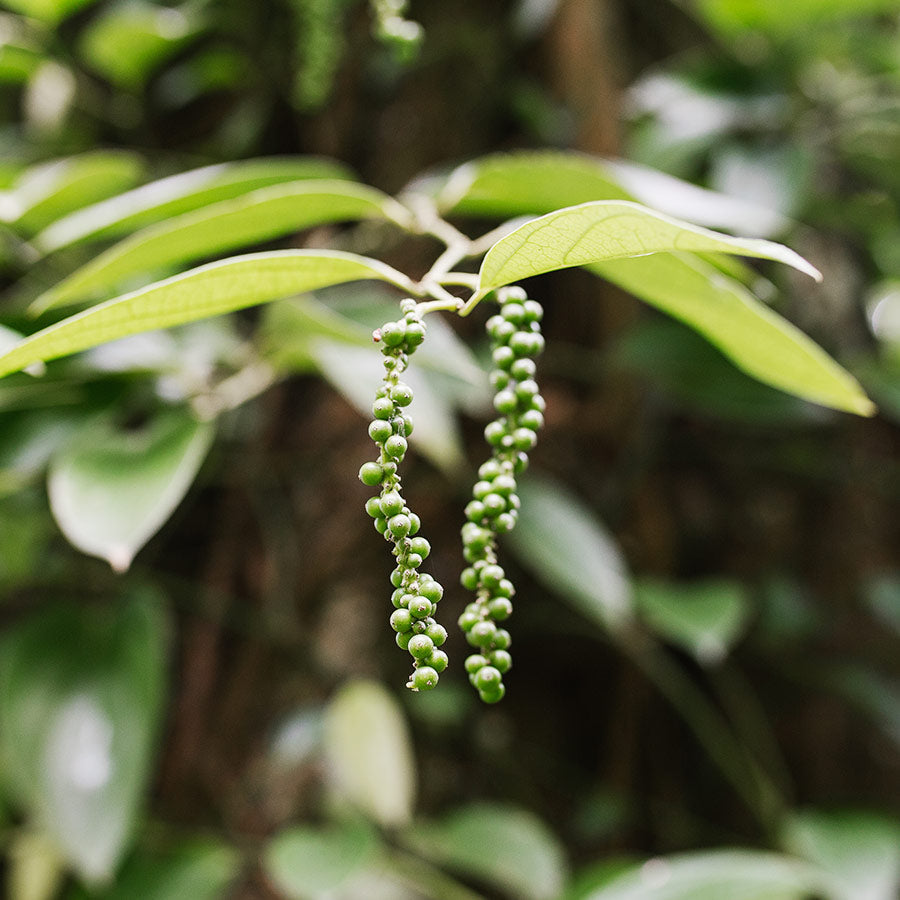
- Black pepper
Additional building blocks of flavor
- Parsley
- Sea salt / salt
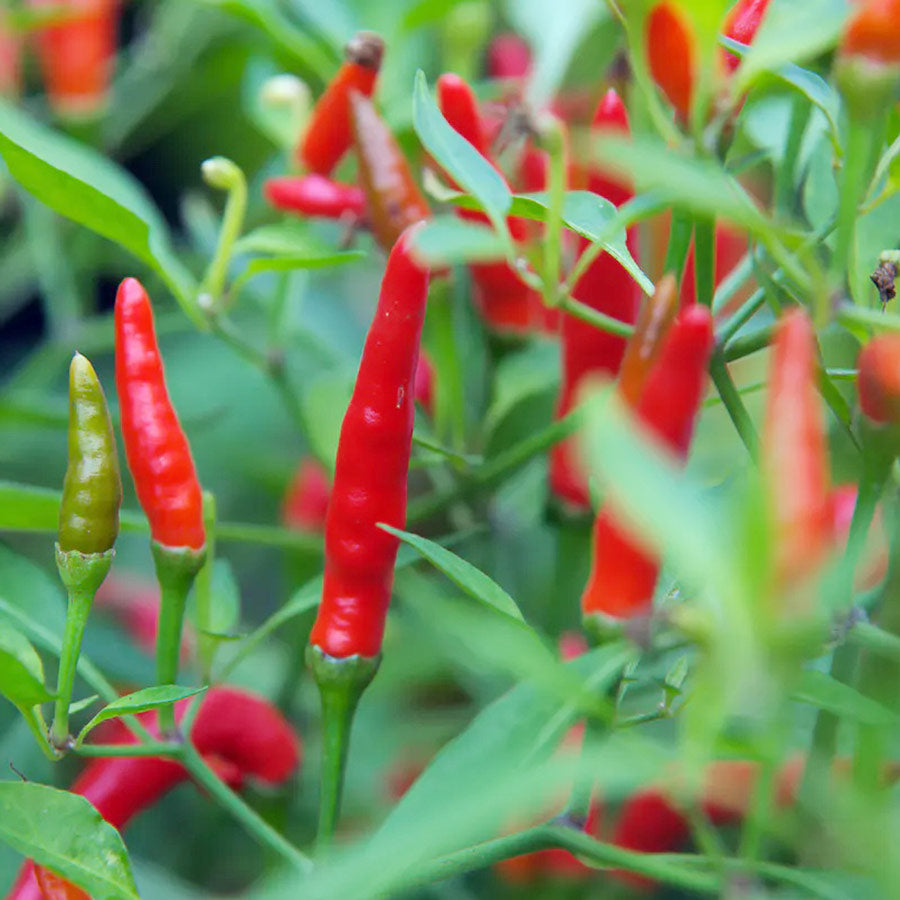
- Chili / peperoncino
- Bay leaf
- Fennel seeds
Herbs and spices by pasta type
Tomato-based pasta sauces
Basic spices for tomato sauces
- Oregano
- Basil
- Thyme
- Rosemary
- Black pepper
- Garlic
- Onion
Complementary flavors
- Paprika (powder or granules)
- Tomato flakes or tomato powder for extra depth
- Parsley as a fresh finish
Seasoning ideas for classics like Bolognese
- Herb blend of oregano, basil, thyme, and rosemary
- Black pepper
- Garlic
- Bay leaf simmered in the sauce
Creamy pasta dishes
Gentle, rounded spices
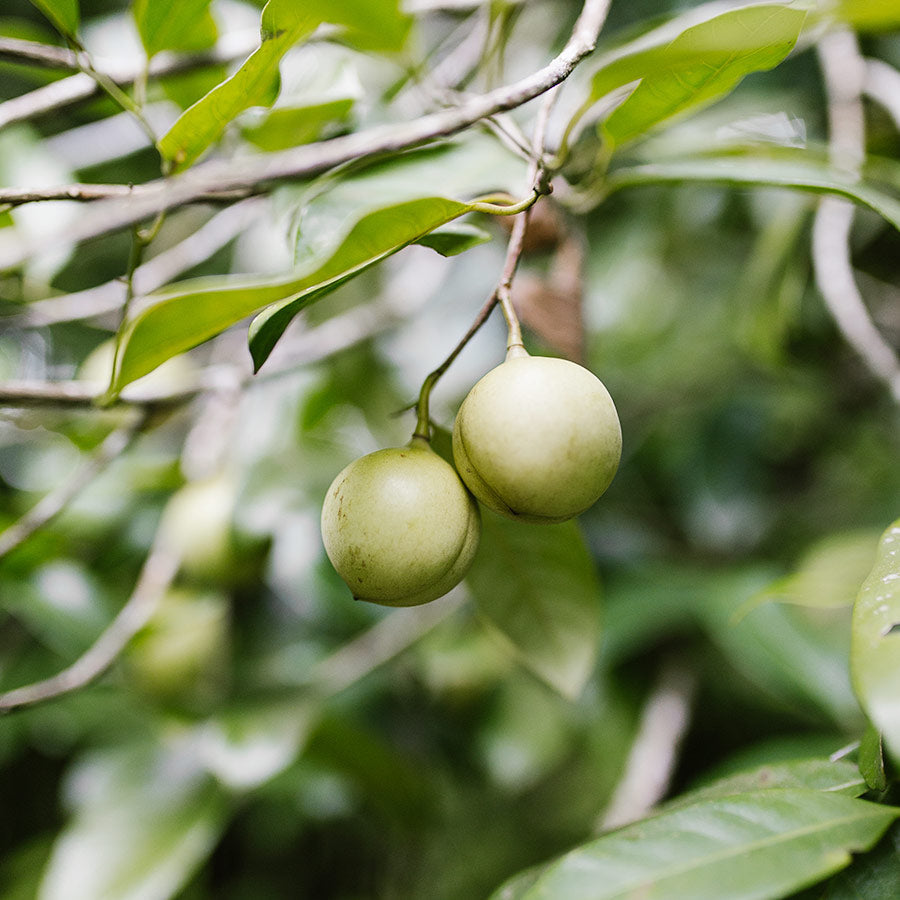
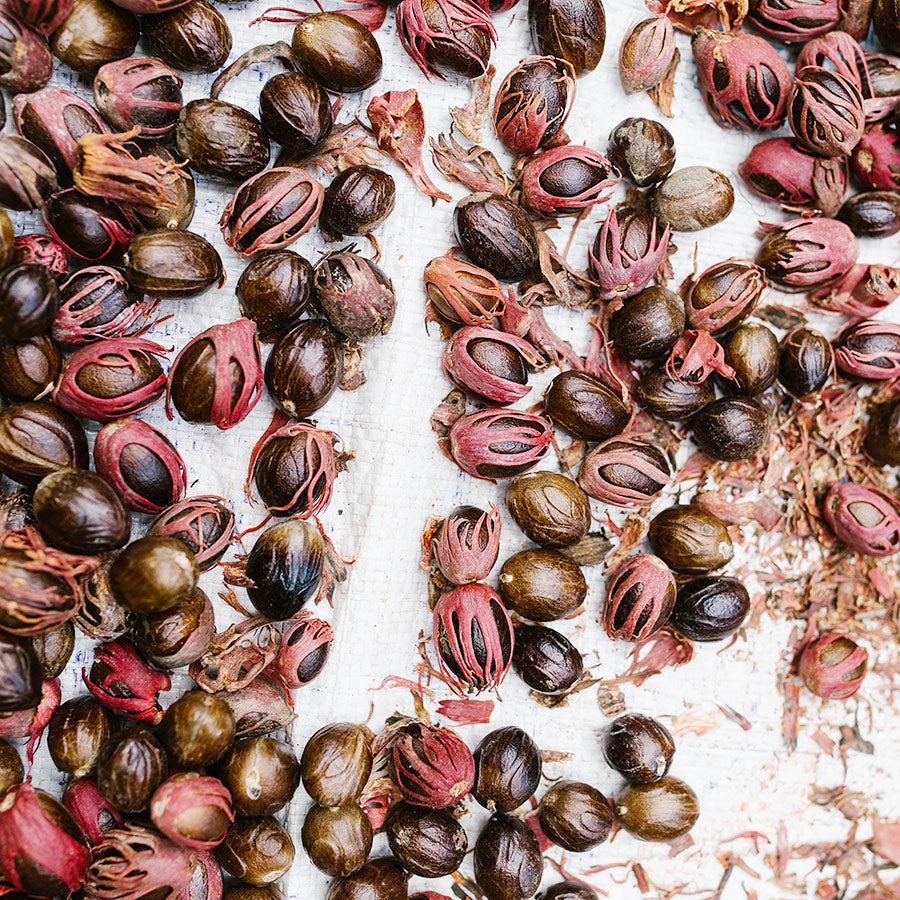
- Nutmeg (used sparingly for cream- or cheese-based sauces)
- Basil
- Oregano
- Thyme
- Parsley
- Black pepper
Herb combinations for cream and cheese sauces
- Blend of basil, oregano, and parsley
- A hint of nutmeg
- Freshly ground black pepper
Spicy pasta variations
Typical sources of heat
- Chili / peperoncino
- Black pepper
Flavor combinations for spicy sauces
- Tomato base with garlic, oregano, basil, and chili
- Chili toasted in oil with garlic and folded into the pasta
Simple herb pasta & all-round dishes
Basic herb blend for “all-rounder” dishes
- Oregano
- Basil
- Thyme
- Rosemary
Other suitable ingredients
- Garlic
- Onion
- Black pepper
- Parsley
Popular flavor styles and their spice profiles
Garlic-forward pasta (e.g. aglio e olio style)
Core spices
- Garlic
- Chili / peperoncino
- Parsley
- Black pepper
Developing aromas in oil
- Garlic and chili gently toasted in oil
- Parsley and pepper added at the end
Rich tomato-based pasta dishes
Typical spice foundation
- Tomatoes (fresh, strained, dried, or as flakes / powder)
- Oregano
- Basil
- Onion
- Garlic
- Paprika (powdered or granulated)
- Black pepper
Deeper savory notes
- Thyme
- Rosemary
- Bay leaf during simmering
Herb-forward Mediterranean pasta
Mediterranean herb mix
- Basil
- Oregano
- Rosemary
- Thyme
- Marjoram
- Sage
Freshness and balance
- Parsley for a green, fresh note
- Garlic in a fine dosage
Key individual herbs for pasta at a glance
Basil
Typical use
- Tomato sauces
- Pesto variations
- Mediterranean herb pasta
- Cold pasta salads
Character
Fresh, herbaceous aroma that beautifully rounds out tomatoes and olive oil.
Oregano
Typical use
- Tomato sauces
- Pasta with vegetable sauces
- Baked pasta dishes and oven casseroles
Character
Hearty, savory herb note that gives depth to many pasta dishes.
Rosemary
Typical use
- Hearty savory pasta sauces
- Pasta dishes with roasted vegetables
- Baked pasta casseroles
Character
Intense, resinous herb tone, use sparingly.
Thyme
Typical use
- Tomato and vegetable sauces
- Robust pasta dishes with a braised character
Character
Savory, slightly bitter, pairs well with slow-cooked sauces.
Sage
Typical use
- Butter sauces for pasta
- Simple pasta dishes with oil or butter
Character
Strong, slightly bitter aroma – just a few leaves are enough.
Parsley
Typical use
- Fresh topping on finished pasta
- Part of herb blends for sauces
Character
Green and fresh, it ties stronger spices together and softens them slightly.
Spices by use: cooking, simmering, topping
During sauce cooking
Spices that simmer for a long time
- Thyme
- Rosemary
- Bay leaf
- Fennel seeds
- Oregano (partly)
Aromas toasted in oil
- Garlic
- Onion
- Chili / peperoncino
Shortly before serving
Fresh kick in the finish
- Basil
- Parsley
- Black pepper (freshly ground)
As a topping on finished pasta
Dried herbs and spices
- Oregano
- Basil
- All-purpose herb blend
- Chili flakes
- Black pepper
Thematic pasta variations and their typical seasoning focus
Pasta dishes in tomato sauce
Spice profile
- Oregano, basil, thyme
- Garlic, onion
- Black pepper, paprika
Pasta dishes with vegetables
Spice profile
- Oregano, basil, thyme, rosemary
- Parsley
- Garlic
- Black pepper
Pasta dishes with cream or cheese sauce
Spice profile
- Nutmeg
- Basil, parsley
- Black pepper
Spicy pasta dishes
Spice profile
- Chili / peperoncino
- Garlic
- Oregano, basil
- Black pepper
Homemade herb and spice blends for pasta
Classic Italian herb blend
Typical components
- Oregano
- Basil
- Thyme
- Rosemary
Use
- Base for tomato sauces
- Baked pasta casseroles
- A simple olive-oil pasta
All-purpose pasta mix
Possible ingredients
- Oregano, basil, thyme
- Rosemary in a small amount
- Garlic (dried)
- Onion granules
- Black pepper
- Parsley
Use
- Stir directly into the sauce
- Mix with oil and use as a marinade or quick pasta sauce
Spicy pasta mix
Possible ingredients
- Chili / peperoncino
- Garlic (dried)
- Oregano
- Basil
- Black pepper
Use
- Toast in oil and mix with pasta
- Sprinkle over finished noodles for an additional layer of heat
Spices for special uses with pasta
For cold pasta salads
Suitable herbs
- Basil
- Oregano
- Mediterranean all-purpose herbs
- Parsley
Flavor ideas
- Mix herbs with oil and use as a dressing base
- Add a light pepper note for more depth
For baked pasta dishes
Aromas that work well with heat
- Oregano
- Thyme
- Rosemary
- Black pepper
- Garlic (dried)
Why choose 1001 Organic spices for your pasta?
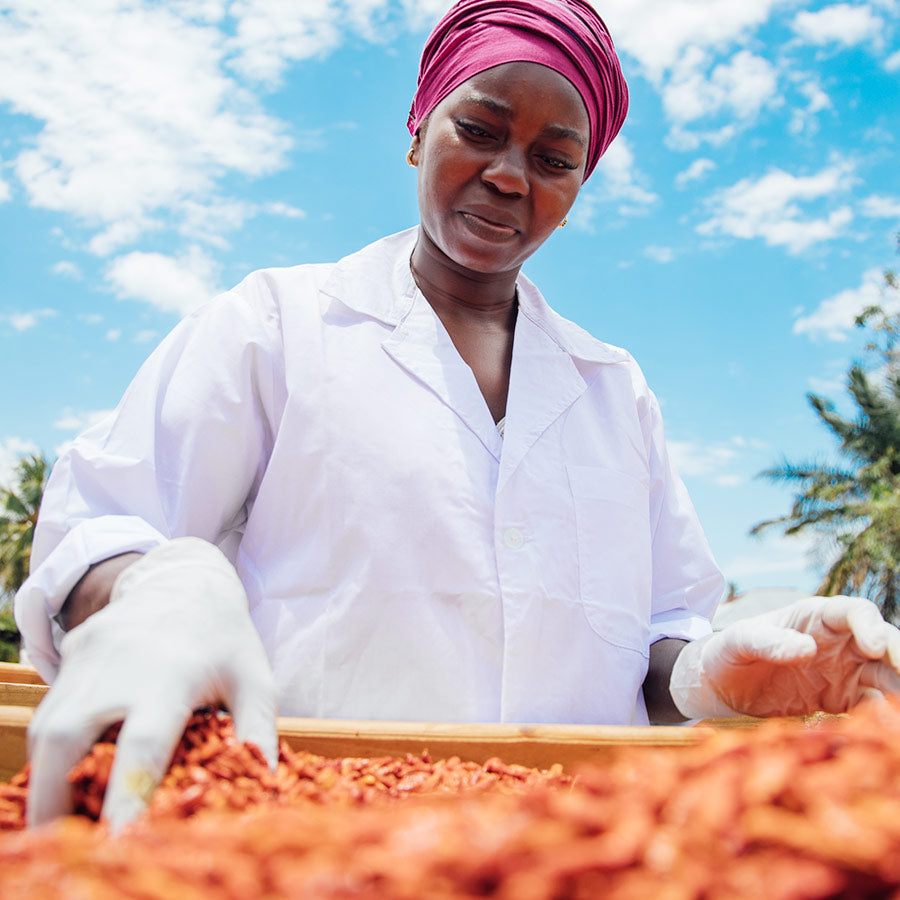
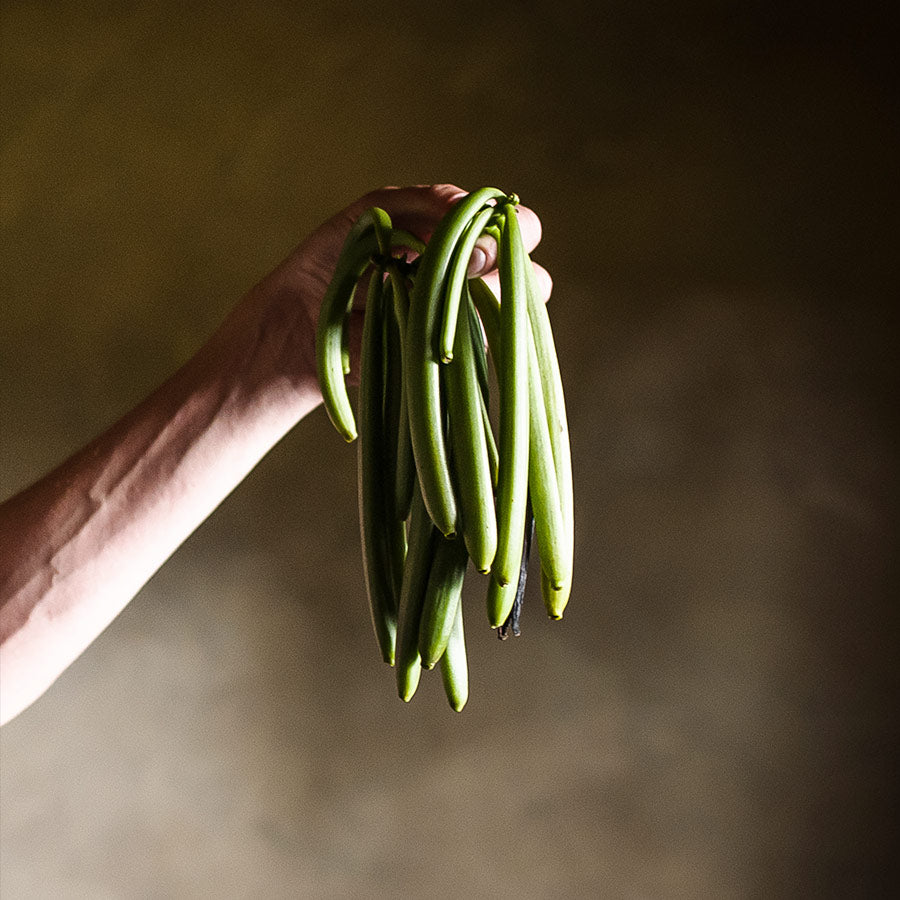
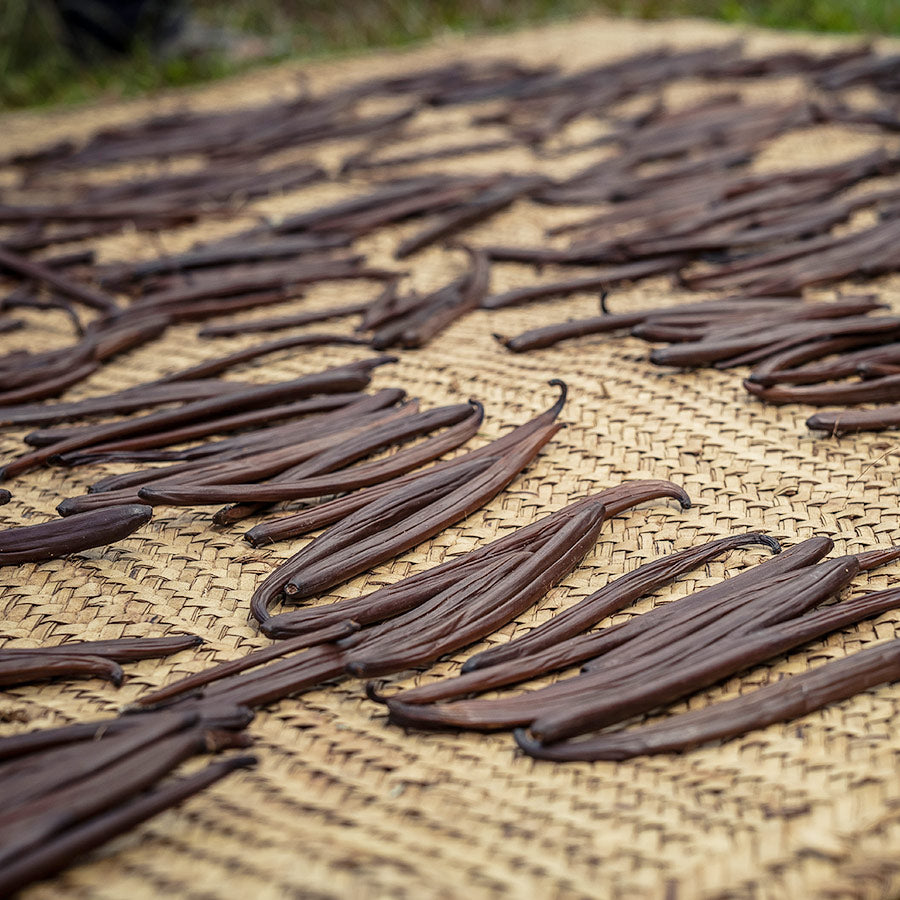
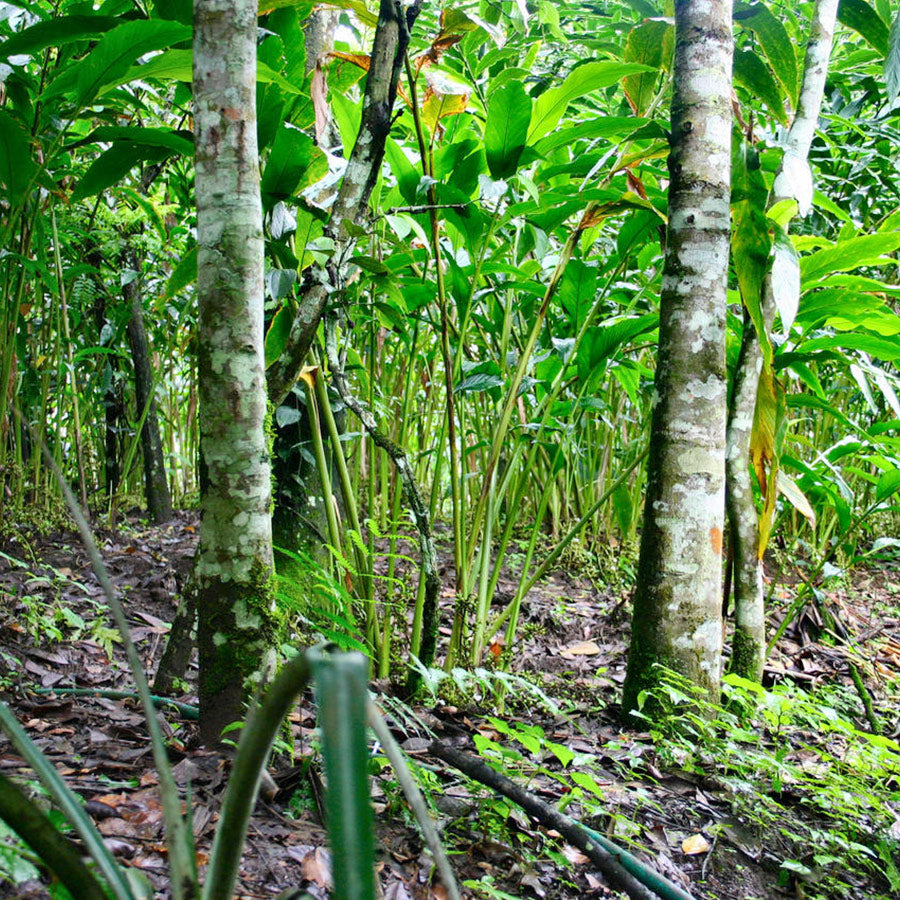
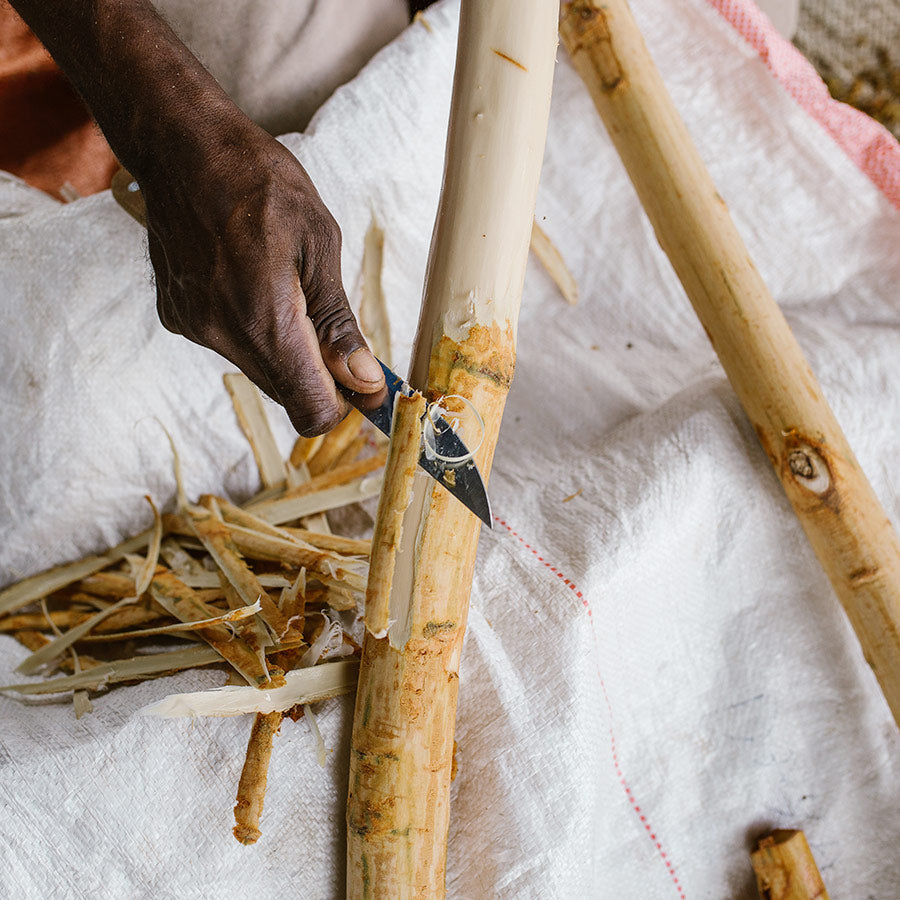
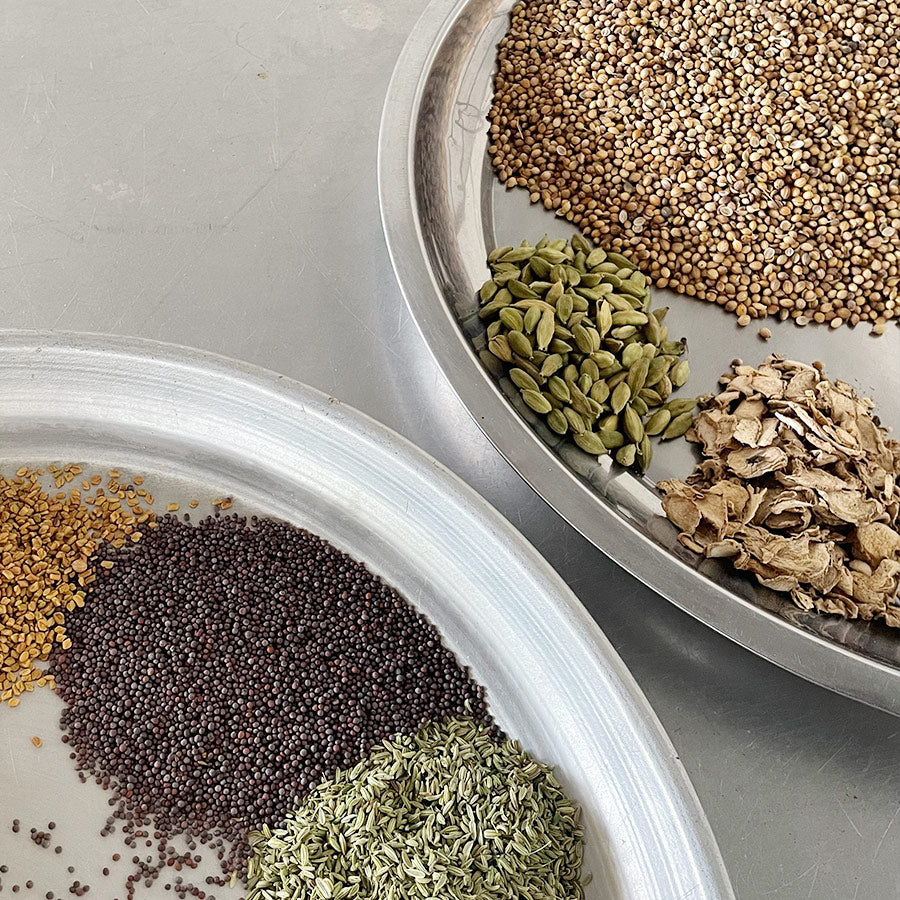
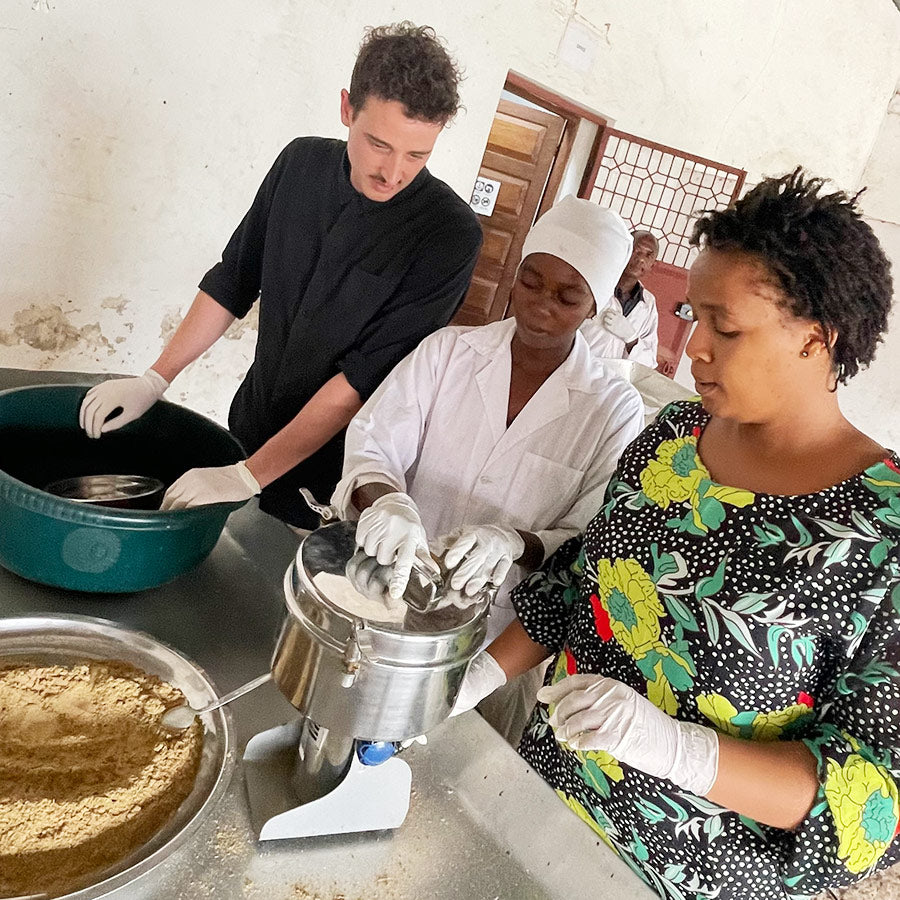
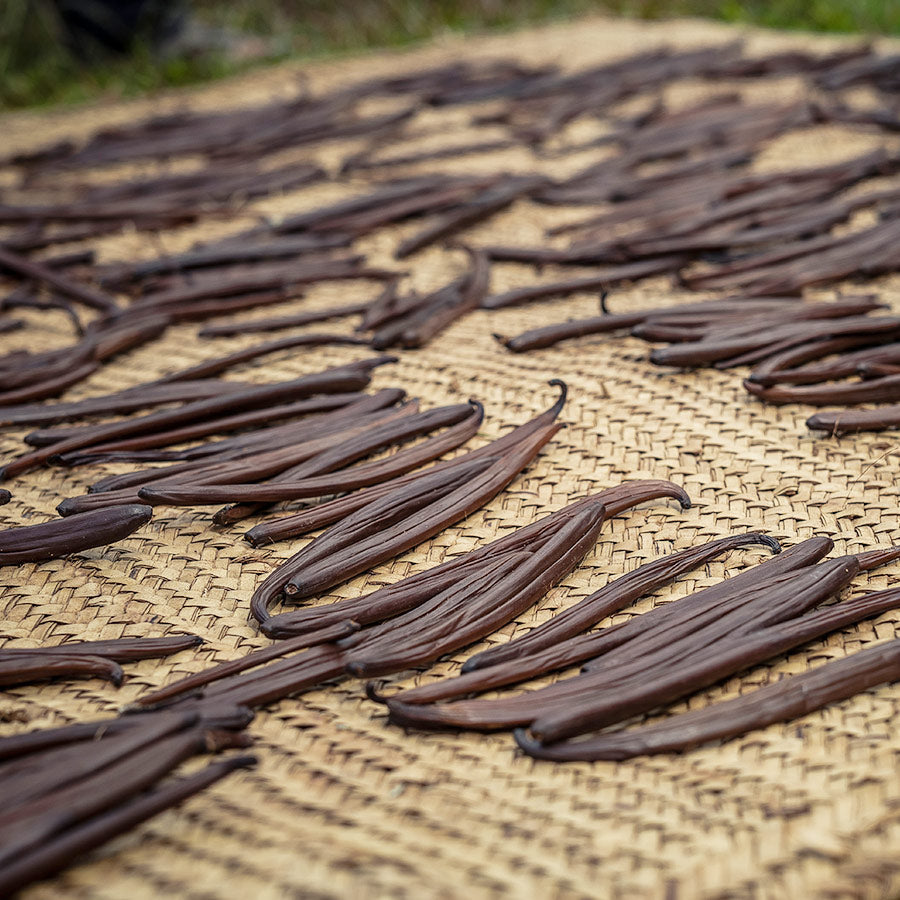
Our spices come directly from smallholder farmers.



















Natural & Fair
• Sustainable farming practices
• Local communities
• Direct partnerships
• Effective value creation at the source of the spices
• Farm to Kitchen concept
• Protection of biodiversity
• Fair working conditions

