

10 products










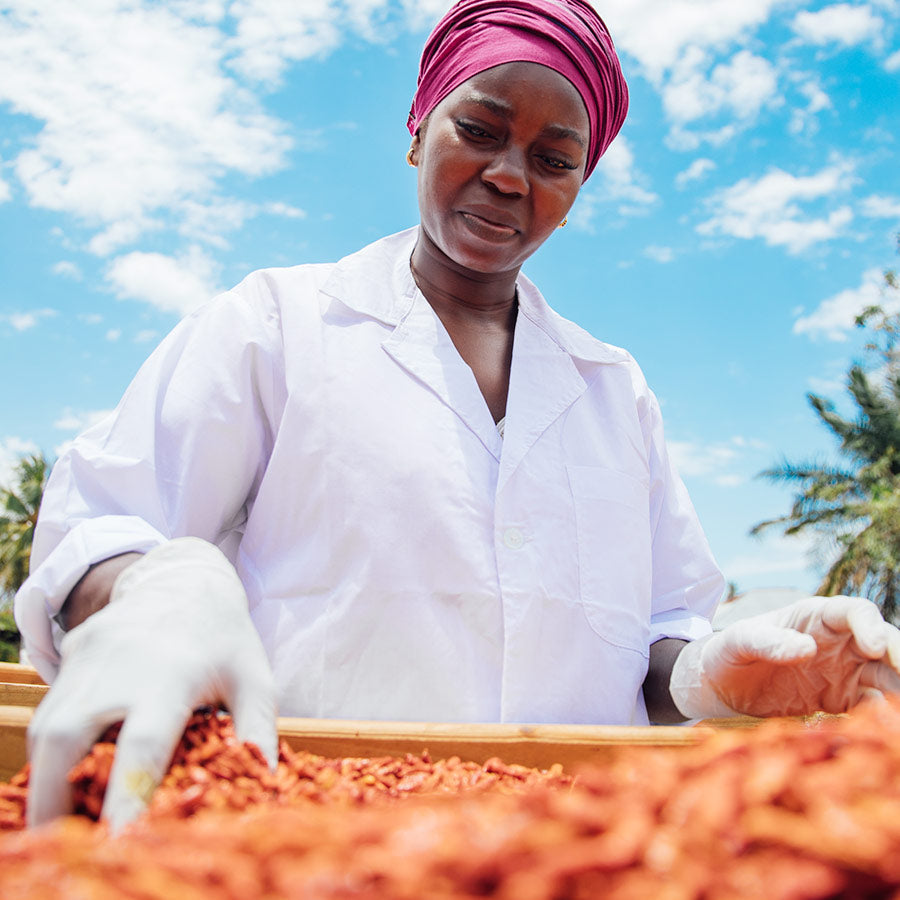


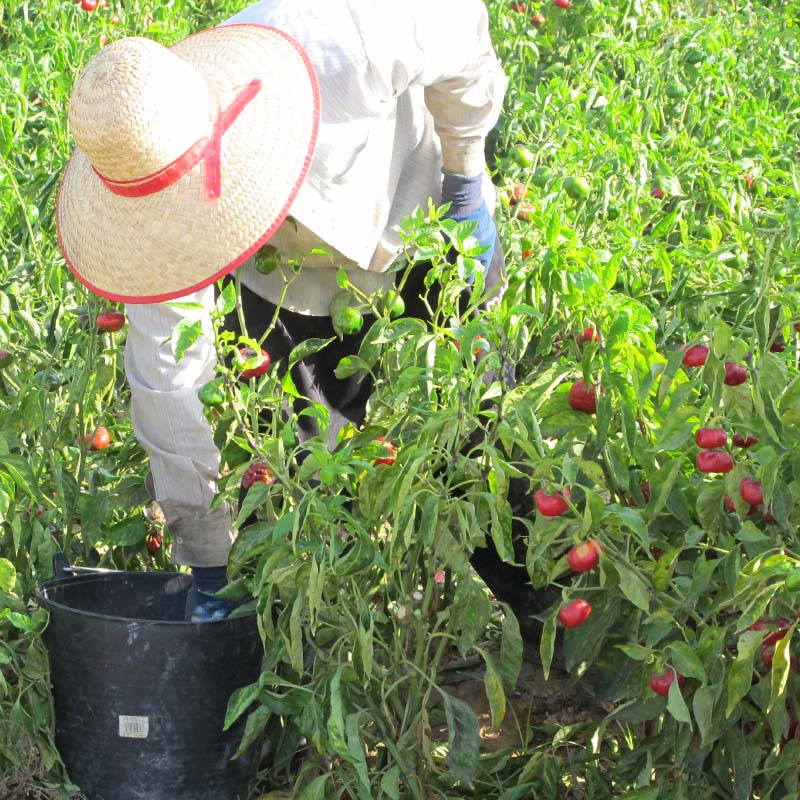





Choosing the right spices for meat dishes can make the difference between a good meal and an outstanding one. At 1001 Organic, we do not just bring flavor into your kitchen, we also support smallholder farmers in Zanzibar with every spice blend.
Basics – what really seasons meat well
Basic spices that almost always work (all-rounders)
Spices are the highlights in the kitchen, bringing tastes and aromas together. At 1001 Organic, we focus on high-quality base spices that work wonderfully for seasoning meat. These all-rounders, such as pepper and salt, are indispensable.
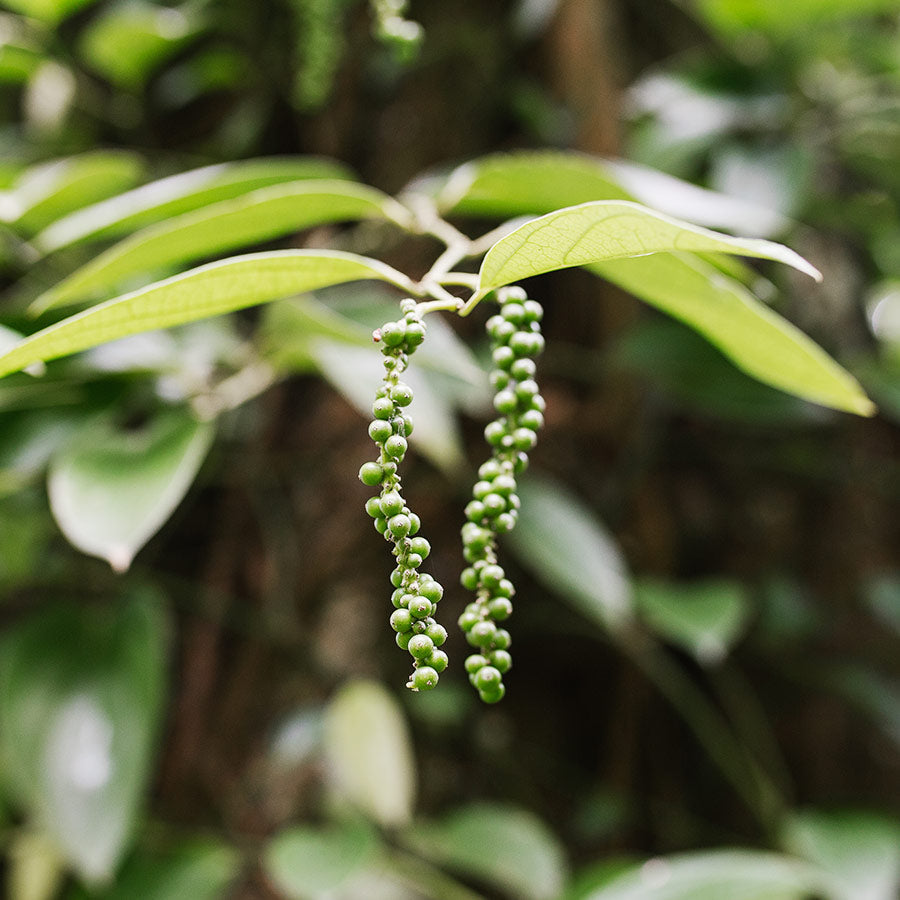
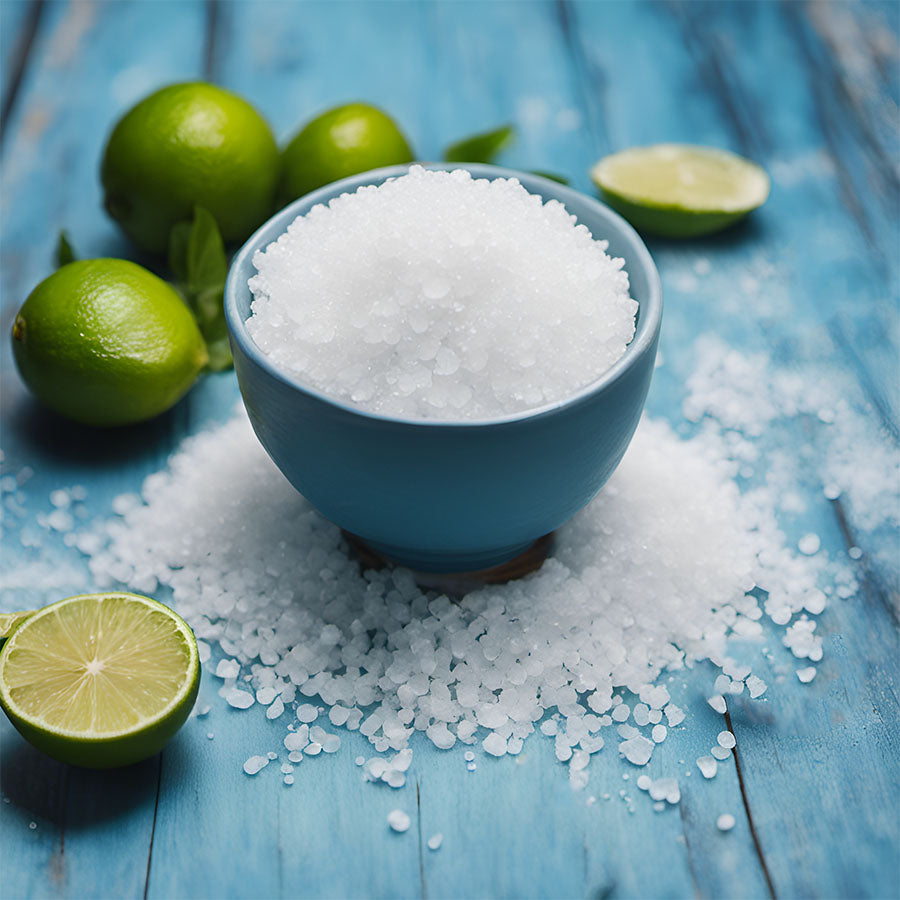
Salt and pepper as the foundation of meat seasoning
Salt is the undisputed king of spices and, when used correctly, brings out the natural aromas of meat. Pepper adds not only heat, but also a deeper flavor dimension. With our directly traded spices from Zanzibar, you get not only quality, but also support fair structures on the ground.
Mild vs. intense spices – how to find the right balance
The art of seasoning lies in balance. Milder spices such as paprika or caraway can harmonize a dish, while more intense components such as chili or garlic provide the decisive kick.
Whole peppercorns, flakes, or powder – formats and their effect
The format of your spices has a strong effect on aroma. Whole spices release their flavor especially when freshly ground, while powders work immediately. For maximum freshness, it is recommended to grind spices just before use.
Dry rub, marinade, or ready-made blend – the three main methods
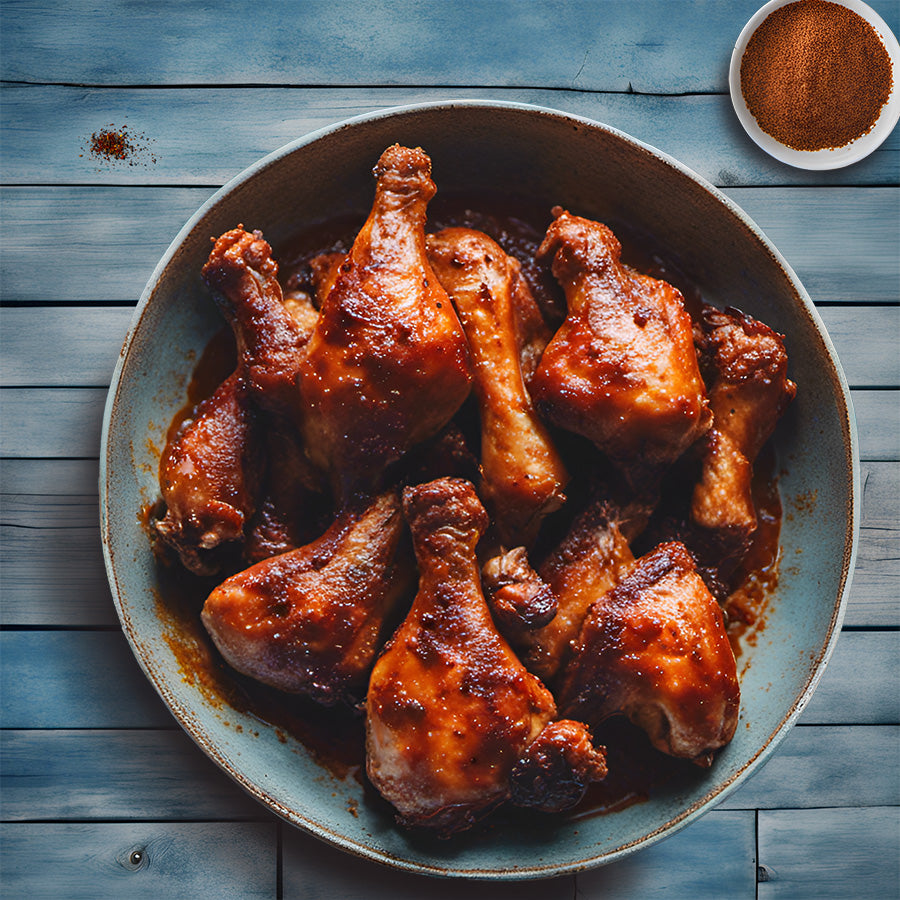
Spices can be used in different ways: as a dry rub, as a marinade, or as a ready-made blend. Each method influences aroma and intensity in its own way.
Spices by type of meat
Spices for beef
Beef can handle strong flavors. Rosemary, thyme, and black pepper are ideal companions for steaks and roasts.
Spices for pork
Pork pairs especially well with sweet-savory aromas such as marjoram, oregano, and garlic.
Spices for poultry (chicken, turkey, duck, goose)
Poultry is very versatile and pairs beautifully with fresh herbs such as thyme, rosemary, or parsley.
Spices for lamb
Lamb goes perfectly with intense spices such as cumin, garlic, or even a fine touch of cinnamon.
Spices for game (deer, venison, wild boar)
Game benefits from robust aromas such as juniper, bay leaf, and black pepper.
Spices for minced meat dishes (burgers, patties, meatballs)
Typical blends consist of garlic, onion, paprika, and pepper – a proven combination for juicy results.
Typical herbs and spices for meat at a glance
Paprika in different levels of intensity
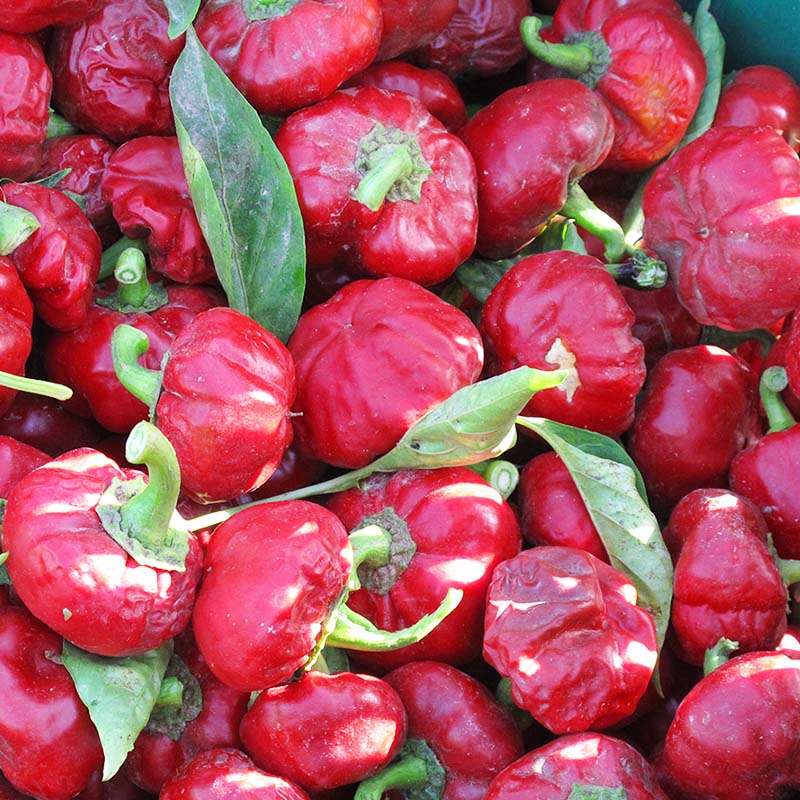
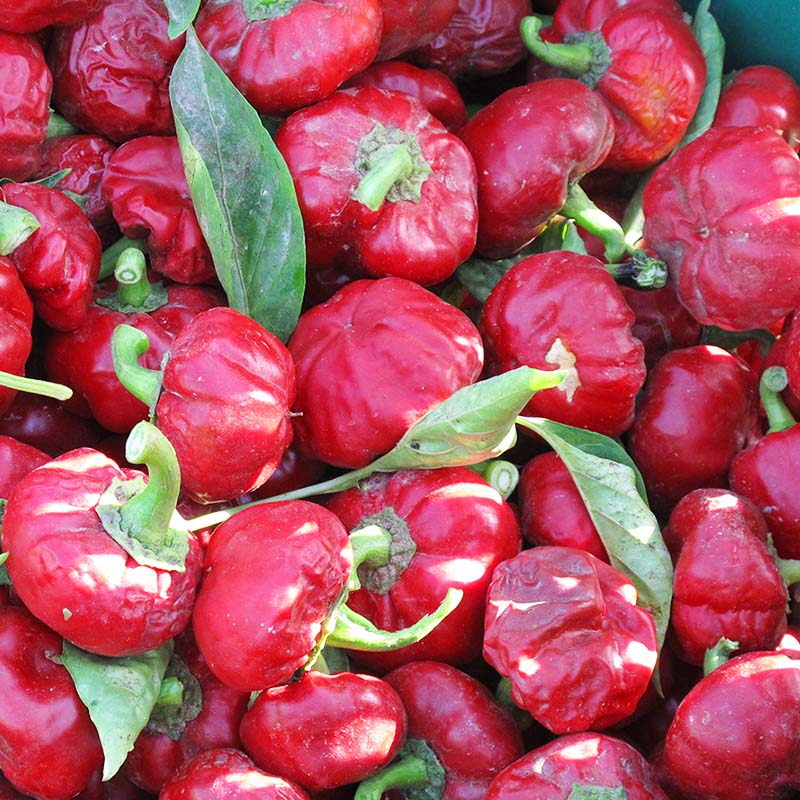
Paprika provides color and aroma – from mild and fruity to pleasantly savory.
Pepper in its different varieties
Black, white, or pink pepper – each type brings its own nuances to your dish.
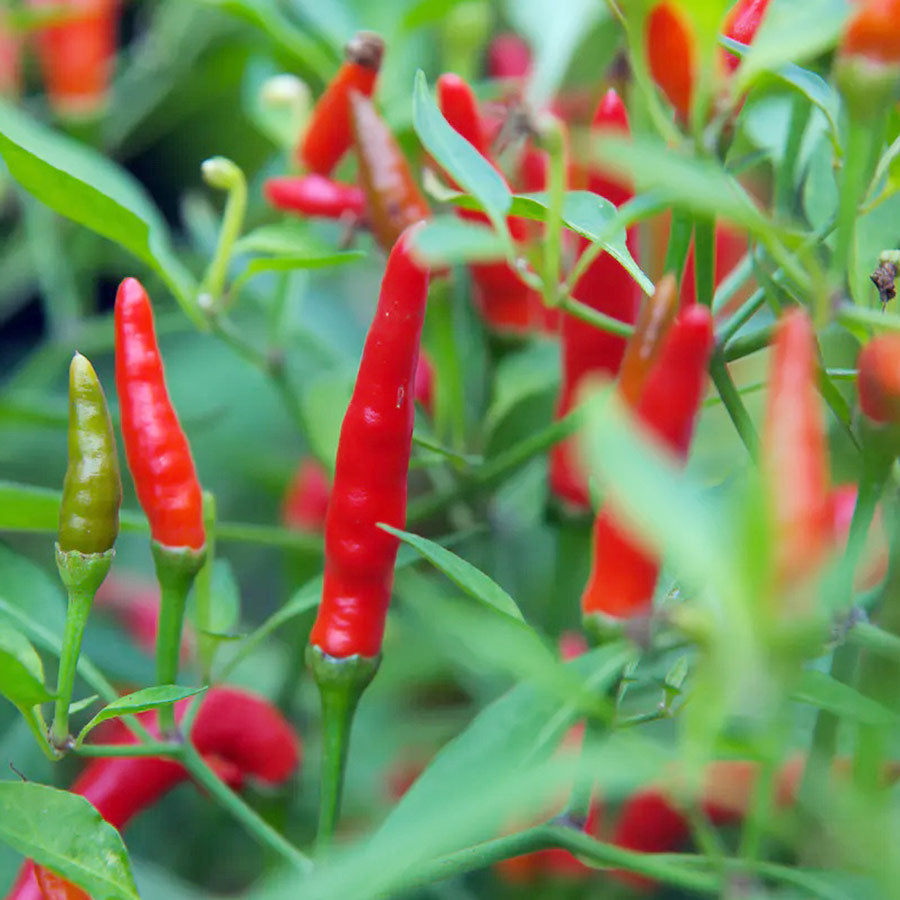
Chili and cayenne – for more heat
These spices provide the desired heat and add energy to the dish.
Garlic and onion – the savory base
They form the foundation of many meat dishes and bring depth and character.
Thyme and rosemary – classics for meat
These herbs are especially well suited to oven dishes and grilled meat.
Oregano and marjoram – perfect for pork and poultry
They add a savory and slightly Mediterranean note to dishes.
Sage and bay leaf – intense and aromatic
Ideal for robust meats and braised dishes.
Cumin, coriander, and warm spices
These spices add a light Middle Eastern touch to meat dishes.
Spices by preparation method
Steaks and quickly seared cuts
Here, salt and freshly ground pepper are often enough for a perfect result.
Braised dishes and roasts
Bay leaf, rosemary, and caraway develop their full aroma here.
Grilled meat and BBQ
Strong rubs and marinades create intense roasted aromas.
Slow cooking and smoker
Slow cooking needs spices that can unfold their aroma over time.
Soup meat and stews
Here, bay leaf, pepper, and herbs provide depth and harmony.
Spice blends for meat
All-purpose blend
Pepper, paprika, and garlic form a simple, versatile base.
Strong blends for beef
Ideal for steaks, burgers, and roasts with intense flavor.
Savory blends for pork
Perfect for grilled meat or ribs.
Blends for poultry
Light and aromatic for oven, grill, or pan.
Blends for lamb and game
Strong and deep in flavor, ideal for special dishes.
Marinating, rubbing, soaking
Dry rubs
Spices are applied directly to the meat and create intense crusts.
Oil-based marinades
Oil helps carry aromas deep into the meat.
Acid-based marinades
Lemon, vinegar, or yogurt bring tenderness and freshness.
Marinating times
Depending on the type of meat, between 30 minutes and 12 hours.
The right time to season
Base seasoning before cooking, final touch shortly before serving.
Seasoning meat with intention
Choosing flavor profiles consciously
Mild, savory, or spicy – adapt the spices to your taste.
Mediterranean cuisine
Oregano, thyme, and garlic bring a touch of sunshine and holiday feeling.
Hearty rustic cuisine
Caraway and bay leaf create strong, comforting flavors.
Fresh notes
Lemon and herbs add lightness.
Sweet-savory BBQ aromas
Perfect for grilled dishes and caramelized crusts.
Practical tips
How to dose correctly
It is better to start with a small amount and increase gradually.
Whole vs. ground spices
Whole spices stay fresh longer, while ground spices are ready to use immediately.
Intensifying aromas
Lightly toasting and freshly grinding spices noticeably strengthens their flavor.
Proper storage
Store in a cool, dark place and in airtight containers.
Avoiding common mistakes
Not seasoning enough or seasoning too late are the most common mistakes.
Inspiration for richly seasoned meat dishes
Steaks and burgers
Paprika and garlic bring intense flavor.
Braised dishes
Bay leaf and thyme bring depth and balance.
Grilled meat
BBQ blends provide smoky notes.
Oven-baked poultry
Herb crusts bring freshness and aroma.
Lamb and game
Strong spices create intense flavor experiences.
Conscious enjoyment
Quality and origin
High-quality spices and good meat are the basis of real enjoyment.
Fair partnerships
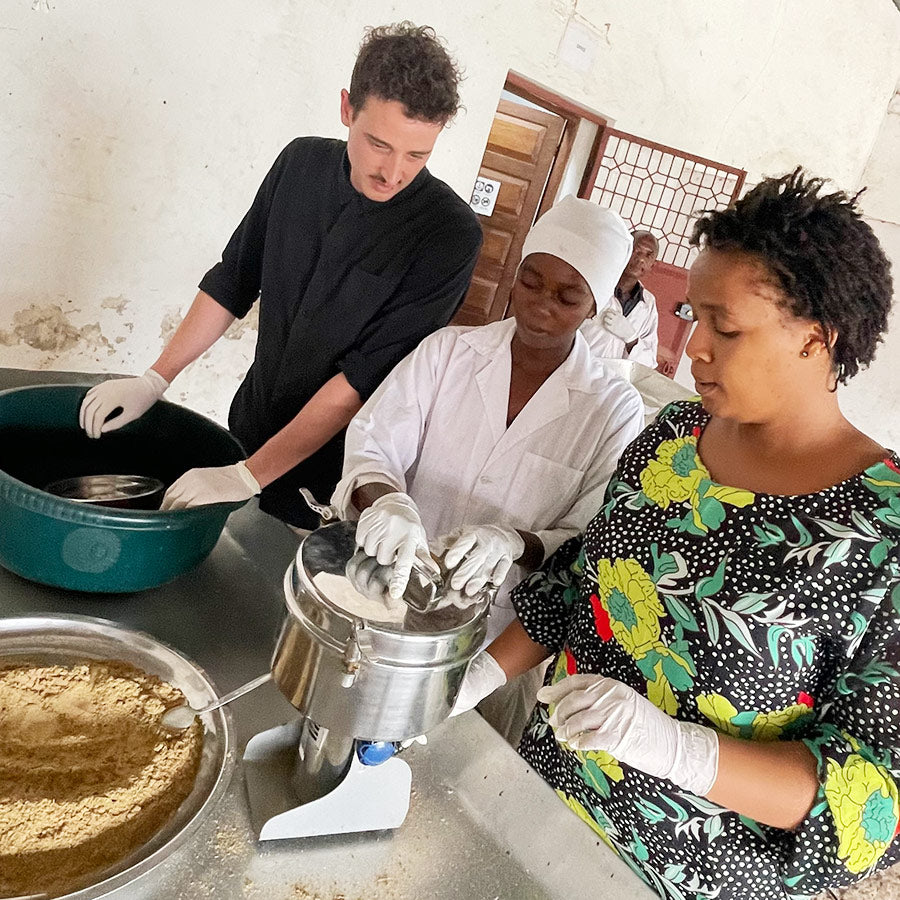
Direct trade strengthens smallholder farmers and creates greater transparency.
Sustainable farming methods
Sustainable cultivation protects nature, soil, and the future of spice production.


Nos best-sellers




















Natural & Fair
• Sustainable farming practices
• Local communities
• Direct partnerships
• Effective value creation at the source of the spices
• Farm to Kitchen concept
• Protection of biodiversity
• Fair working conditions

