




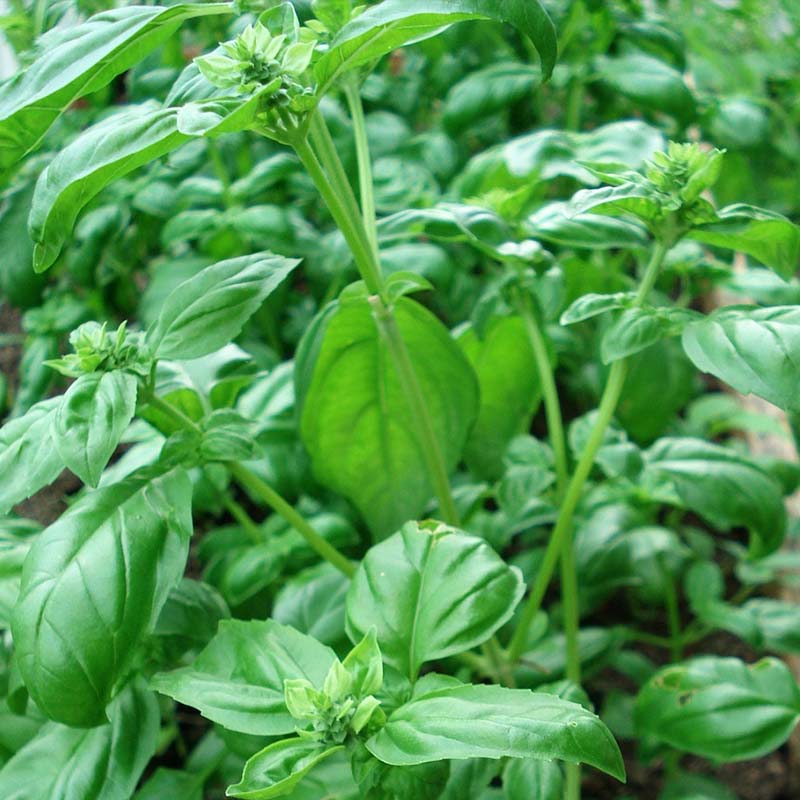

Some aromas instantly bring to mind a beautifully laid summer table. Basil is one of them. Its unmistakable aroma pairs well with ripe tomatoes, mild mozzarella and good olive oil. Even a small amount can give a simple dish a completely different flavour. Yet this culinary herb has far more facets than its classic use in Italian recipes might suggest.
Our Organic Basil comes from the mountainous regions of Kosovo. There, it is grown, harvested and carefully dried so you can enjoy its characteristic aroma regardless of the season. As part of our The Honest Flavour product line, it also represents our collaboration with independent producers. This is how we bring selected herbs from different origins into your kitchen, combining enjoyment with responsible trade.
Basil as a Spice – A Classic with Many Flavour Nuances
Botanically, basil belongs to the mint family. Its scientific name is Ocimum basilicum. The plant is widely used as a culinary herb around the world and is particularly associated with Mediterranean cuisine. Basil has a complex aroma that can vary depending on the variety and processing method. Some varieties taste sweet and mild, while others display pronounced peppery, aniseed-like or lemony notes.
Our dried Organic Basil is characterised by a sweet, fresh and slightly peppery flavour profile. This combination makes it particularly interesting for dishes where herbs play more than just a supporting role and help shape the character of the dish. Whether in a simple tomato sauce, a savoury dip or a vegetable stir-fry, the right amount allows you to highlight different flavours.
An Herb with Its Own Character
Basil combines wonderfully with other ingredients without necessarily losing its distinctive flavour. It works particularly well with:
- Tomatoes: Their fruity acidity complements the slightly sweet herbal notes.
- Garlic: Its bold flavour creates a savoury contrast.
- Olive oil: Brings flavours together and is suitable for dressings or sauces.
- Mozzarella: This mild cheese allows the flavour of basil to shine.
- Lemon zest: Adds an extra fresh note.
- Black pepper: For a slightly stronger, spicier seasoning.
- Aubergines and courgettes: Particularly suitable for Mediterranean vegetable dishes.
When combining ingredients, it's worth avoiding too many intense flavours at once. Basil's distinctive aroma is particularly noticeable in simple recipes. For example, try combining tomatoes, olive oil, a little garlic and our dried basil. Just a few ingredients are enough to create an aromatic base for numerous dishes.
Our Organic Basil Grows in the Mountains of Kosovo
The origin of our herbs is an important part of their story. Our basil comes from Kosovo, where it is grown in mountainous regions and then carefully processed. The growing conditions and the producers' experience shape its journey from fresh herb to dried spice.
With our Organic Basil, we want to offer you an herb with a traceable origin that can also be used in a wide variety of everyday dishes. By working with our partners, we expand our range to include selected herbs from different regions.
100% Organically Grown Basil
Our product consists exclusively of organic basil. It contains no additional herbs, salt or spices. The organic inspection body code CH-BIO-006 is specified for organic certification. This allows you to clearly distinguish the product from conventionally grown herbs.
The pack contains 15 g of dried basil. Since dried herbs weigh very little and can often be used in small quantities, this amount allows you to enhance numerous dishes. The herb is a particularly practical addition to tomato sauces, pasta, dips and vegetable dishes.
The Honest Flavour and Our Collaboration with Producers
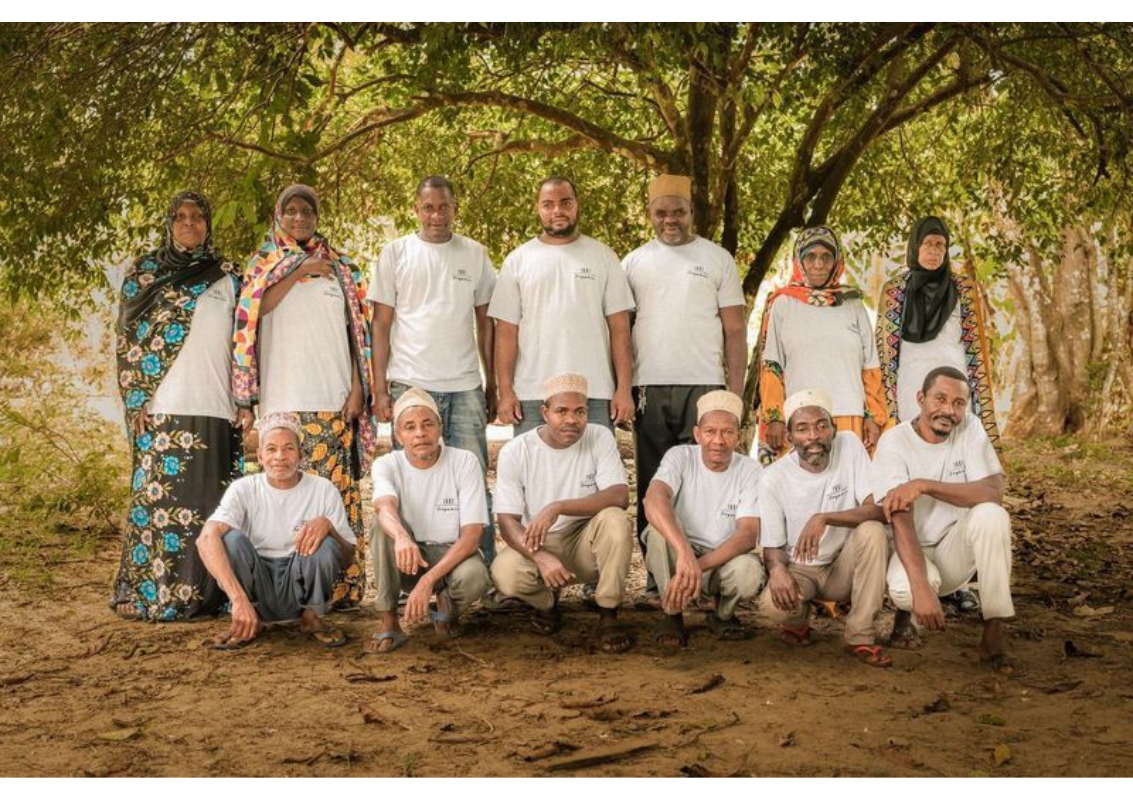
Through The Honest Flavour, we work with independent producers outside our original growing regions in Tanzania. The product line expands our world of spices with herbs and spices from different culinary backgrounds. Our aim is to give smaller producers fair access to the market and make their work more visible.
Direct partnerships and traceable origins are at the heart of our approach. Our Organic Basil from Kosovo shows how we incorporate selected ingredients from other regions into our range and offer you a diverse selection of spices.
Fresh Basil Leaves vs. Dried Basil
A fresh basil leaf has a different texture and aroma from dried basil. Both varieties can offer excellent flavour, but they serve different purposes in the kitchen. Fresh leaves are soft, juicy and have a distinctly green aroma. They are particularly suitable for dishes where basil is added immediately before serving.
During drying, moisture is removed from the leaves. This changes the flavour profile: some of the particularly fresh notes become less prominent, while other spicy characteristics may become more noticeable. Dried basil, however, has a longer shelf life and is easy to store. You can use it whenever you like without having to prepare fresh leaves.
When Is Dried Basil a Good Choice?
Dried basil is particularly practical if you regularly cook Mediterranean dishes and don't always have fresh herbs available. Typical uses include:
- Warm tomato sauces: The dried herb can be stirred directly into the sauce.
- Soups: For a mild herbal note in vegetable and tomato soups.
- Casseroles: Particularly with vegetables, pasta and cheese.
- Dressings: After briefly soaking in oil and vinegar.
- Marinades: Combined with garlic and other spices.
- Herb dips: Mixed into yoghurt, quark or plant-based alternatives.
Fresh basil leaves, on the other hand, are particularly suitable as a decorative and aromatic addition to Caprese salad, bruschetta or freshly served pasta. If you're cooking a warm sauce or preparing a dressing, our dried basil offers a convenient alternative.
Organic Rubbed Basil – What Does It Mean?
The term "rubbed" describes a method of processing dried herbs. The leaves are separated from their stems and broken into smaller pieces. Unlike finely ground basil, rubbed herbs still have a recognisable leaf structure. They can be sprinkled over food or stirred directly into liquids.
If you're specifically looking for organic rubbed basil, the form of the dried leaves is therefore relevant alongside organic certification. Basil is available commercially in both rubbed and ground forms. Which variety suits you best depends mainly on how you want to use the herb when cooking.
Cooking with Basil – How to Use This Aromatic Herb
The aroma of dried herbs develops differently from that of fresh leaves. It is often helpful to give basil a little time to absorb moisture and distribute its aromatic compounds throughout the dish. In a warm tomato sauce, you can stir it in during cooking. For dressings or dips, allowing the mixture to rest for a few minutes before serving helps the flavours develop.
You should avoid particularly intense direct heat, as delicate herb components can burn and develop a bitter taste. When using the herb in a frying pan, for example, you can add it together with a little liquid or towards the end of cooking.
Small Changes with a Big Impact
A recipe doesn't need to be complicated for basil to shine. For example, you can round off a simple tomato sauce with a little basil or add another layer of flavour to a dressing made with olive oil, lemon juice and garlic. Oven-roasted vegetables can also be enhanced with the herb. You can mix basil with a little oil or add it towards the end of cooking.
If you're using our dried basil for the first time, start with a small amount and adjust the seasoning to your taste. This will help you discover which intensity works best with your favourite recipes.
Basil Beyond Classic Pasta Recipes
Basil and pasta go hand in hand. But anyone who uses this herb exclusively for spaghetti and tomato sauces is missing out on interesting combinations. Its slightly sweet and peppery aroma can give mild ingredients a new direction in particular. Potatoes, white beans, mushrooms and various vegetables can all be prepared in different ways with basil.
Five Ideas for Using More Basil in Your Kitchen
If you'd like to try new ways of using basil, these simple recipe ideas are a good place to start:
- White beans with tomatoes: Warm the beans with olive oil, garlic and chopped tomatoes. A small amount of basil complements the savoury flavour.
- Herb butter: Mix softened butter with dried basil, garlic and a little lemon zest. Allow the flavours to develop before serving.
- Mediterranean couscous: Add peppers, cucumber, olive oil and a light touch of basil to couscous.
- Pan-fried mushrooms: Fry the mushrooms with a little garlic and then season with basil.
- Tomato and cream cheese dip: Stir dried basil into cream cheese and add finely chopped tomatoes.
Dried basil is particularly practical for quick meals. You can use it spontaneously to season your food even when you don't have fresh herbs at home. These different recipe ideas also show that basil isn't limited to one particular cooking method.
Recipe: Lemony Asparagus Skillet with Organic Basil
Green asparagus has a slightly bitter, distinctive aroma. Combined with lemon and basil, it creates a fresh vegetable dish that you can serve as a side, with potatoes or alongside rice. This recipe uses just a few ingredients so the herbal notes can really shine.
Ingredients for Two Servings
- 400 g green asparagus
- 150 g cherry tomatoes
- 1 small shallot
- 2 tbsp olive oil
- ½–1 tsp Organic Basil
- 1 tsp lemon juice
- A little lemon zest
- Salt and freshly ground pepper to taste
Preparation
Wash the asparagus, remove the woody ends and cut the spears into pieces approximately four centimetres long. Halve the cherry tomatoes and finely dice the shallot.
Heat the olive oil in a large frying pan. Add the shallot first, followed by the asparagus. Fry the ingredients over medium heat for a few minutes until the asparagus is almost cooked but still has a little bite. Add the tomatoes and cook briefly. Stir in the dried basil with a small splash of water so the herbs are evenly distributed throughout the dish.
Season the asparagus with lemon juice, lemon zest, salt and pepper. Serve directly from the pan. Our kitchen tip: If you'd like to make the dish more substantial, you can add cooked white beans or pan-fried potato cubes. The combination of basil and lemon works well with both options.
Combining Basil with Other Mediterranean Herbs
Every herb has its own distinctive aromatic character. Oregano has a stronger, slightly bitter flavour, while rosemary offers an intense, resinous spiciness. Thyme adds warm, herbal notes. Basil can balance these aromas without allowing its own flavour to disappear completely into the background.
For a homemade Mediterranean herb blend, for example, you can combine three parts basil with one part oregano and a smaller amount of thyme. The blend goes well with tomatoes, vegetable stir-fries and mild sauces.
If you prefer a ready-made combination, we also offer Organic Herbes de Provence. Alongside basil, this spice blend contains thyme, rosemary, oregano, savory, bay leaves and lavender, among other ingredients. For a stronger oregano flavour, you can use our Organic Oregano.
Buying Basil and Choosing the Right Quality
When choosing dried basil, price and quantity aren't the only factors that matter. Origin, processing and flavour characteristics help you find a product that suits your recipes. The following criteria are particularly useful:
- Ingredients: Is it pure basil or a blend containing other herbs?
- Cultivation: Is the product certified according to your preferences?
- Origin: Is the country where the herb was grown specified?
- Processing: Are the leaves whole, rubbed or ground?
- Aroma: Do you prefer a sweeter, fresher or more intense herbal note?
- Packaging: Can the product be securely resealed after use?
Our Organic Basil contains exclusively dried basil from organic cultivation. Its 15 g pack makes it a suitable choice for regular use in Mediterranean recipes. You can easily measure it out and use it in a variety of dishes.
How to Store Dried Basil Properly
Herbs contain volatile aromatic compounds whose intensity can change under unsuitable storage conditions. Light, heat, moisture and frequent exposure to air all play a role. You should therefore store your basil in a tightly sealed container in a dry, preferably dark place. A kitchen cupboard is generally more suitable than an open shelf directly next to the stove.
Use a dry spoon to take out the amount you need. If you want to add basil to a steaming sauce, measure it out separately first rather than holding the open packet directly over the pot. Also pay attention to the best-before date. If the herb smells noticeably weaker than before, this may indicate a loss of aroma. You should no longer use it if you notice visible mould or moisture.
Organic Basil from 1001 Organic – Aromatic Herbs with a Traceable Origin
Basil doesn't need to be hidden in an elaborate spice blend. Its own flavour is enough to complement tomatoes, vegetables and many other ingredients harmoniously. With our Organic Basil from Kosovo, we bring a carefully processed culinary herb to your spice rack. Its sweet and slightly peppery aroma works just as well in simple everyday dishes as in new recipe ideas.
As part of The Honest Flavour, it also represents our collaboration with independent producers and a traceable origin. Whether you're preparing an asparagus skillet, mixing a dressing or enhancing your next tomato sauce, our Organic Basil is a versatile companion in your kitchen.
Frequently Asked Questions About Basil
Is Basil an Herb or a Spice?
Botanically and in culinary terms, basil is classified as an herb. Mainly the leaves of the Ocimum basilicum plant are used. In shops, dried basil is often also described as a spice because it is used to season different dishes.
What Makes 1001 Organic's Organic Basil Special?
Our Organic Basil comes from the mountainous regions of Kosovo and is grown under organic conditions. It consists of 100% dried basil and has a sweet, fresh and slightly peppery aroma. The pack contains 15 g.
What Does Organic Rubbed Basil Mean?
Rubbed basil consists of dried leaves that have been separated from their stems and broken into smaller pieces. Unlike finely ground basil, the leaf structure remains recognisable. This processing method is commonly used for herbs.
Can You Replace Fresh Basil with Dried Basil?
Yes, although the flavour changes. Dried basil has a different aroma and texture from fresh leaves. It is particularly suitable for warm sauces and casseroles. For salads or fresh garnishes, whole basil leaves are often the better choice.
Which Dishes Go Well with Basil?
Basil pairs well with tomato sauces, pasta, pizza, vegetables, mushrooms and various salads. You can also use dried basil in dressings, herb butter and dips. It particularly complements garlic, olive oil and mild cheeses.
When Should You Add Dried Basil to Food?
In warm sauces, you can stir in basil during cooking so it can absorb moisture and distribute its aromas. For delicate dishes or when using very high heat, it's better to add the herb later to prevent it from burning.
Is 1001 Organic Basil Certified Organic?
Yes. Our basil consists of 100% organic basil and carries the organic inspection body code CH-BIO-006. It comes from Kosovo and belongs to our The Honest Flavour product line.
How Long Does Dried Basil Retain Its Aroma?
Aroma intensity depends on processing, storage conditions and storage duration. Dried basil should be kept tightly sealed, protected from light and away from heat. Follow the best-before date and check its smell and condition before use.
Matching recipes


Nos best-sellers




















Natural & Fair
• Sustainable farming practices
• Local communities
• Direct partnerships
• Effective value creation at the source of the spices
• Farm to Kitchen concept
• Protection of biodiversity
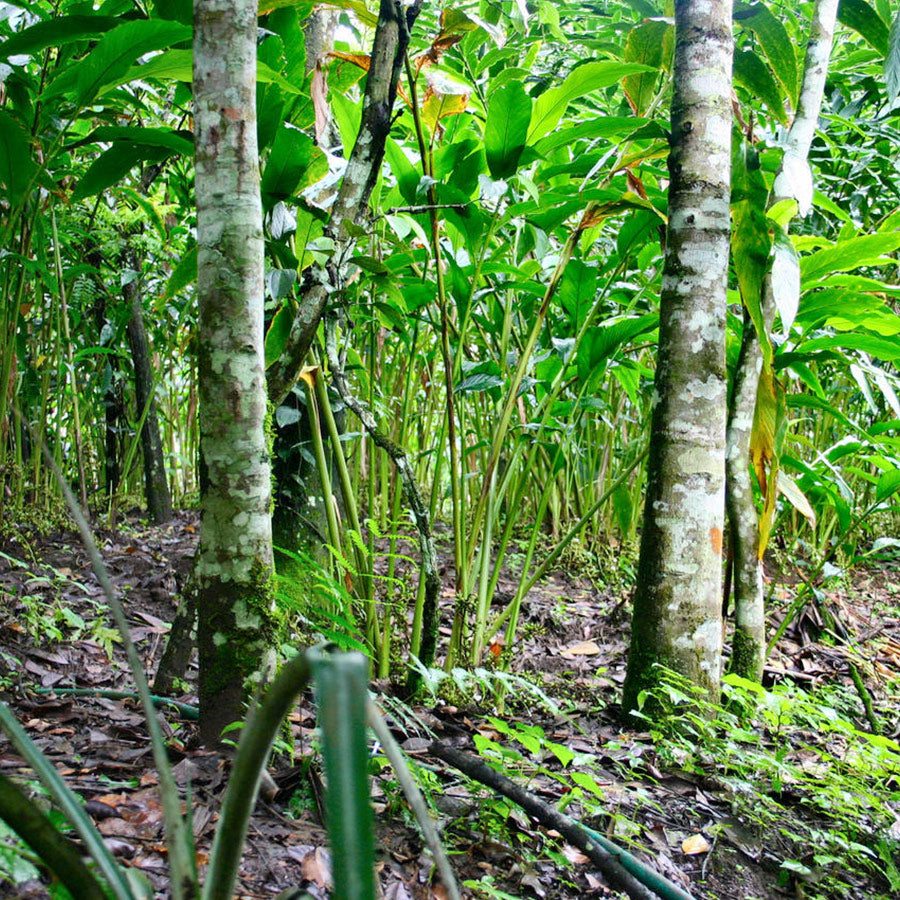
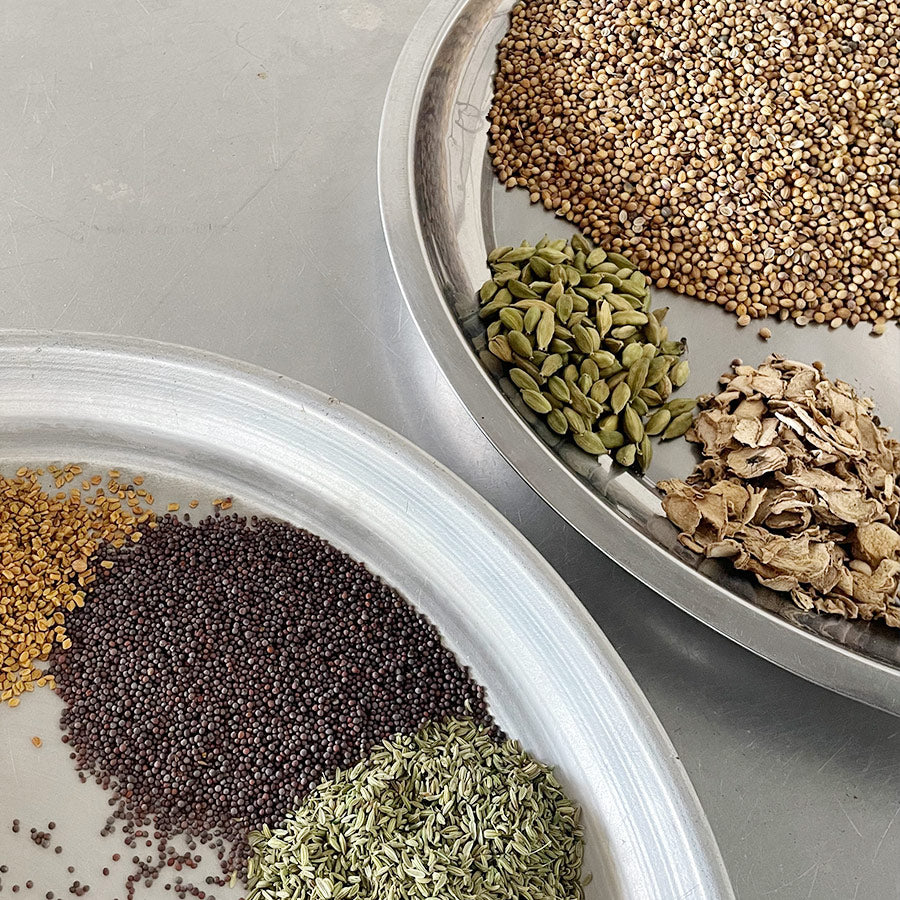
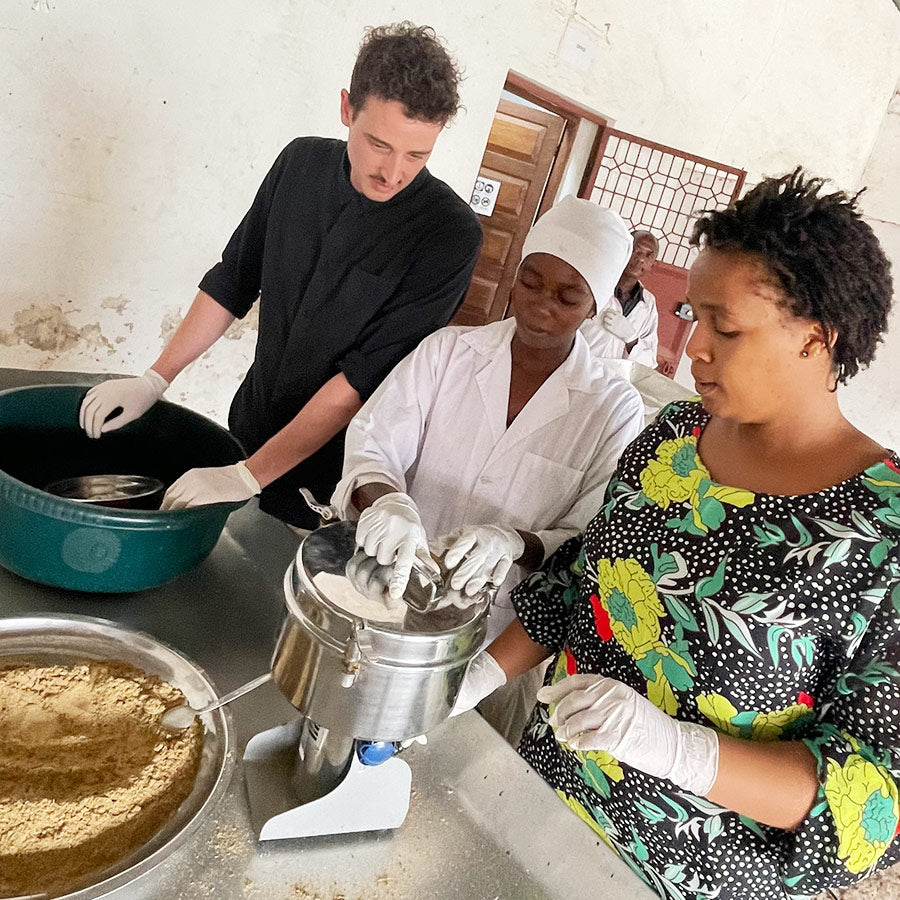
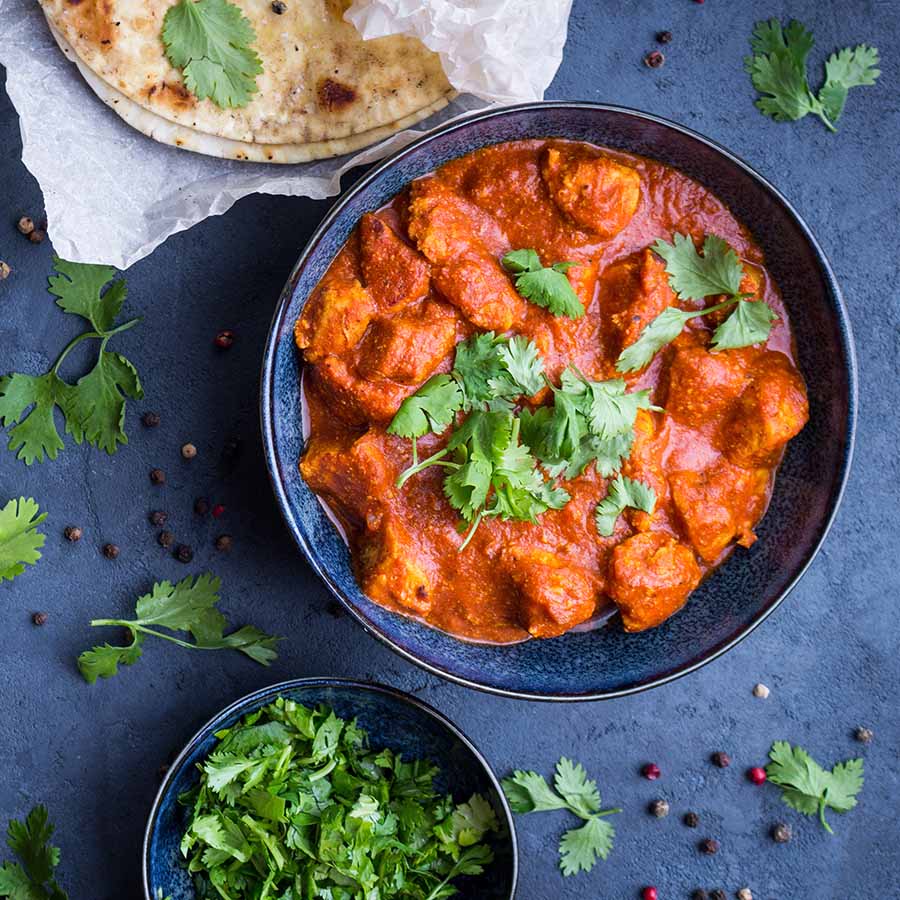
• Fair working conditions

